Prev Post
Plot vs. Flat: Weighing the Pros and Cons of Real Estate Investments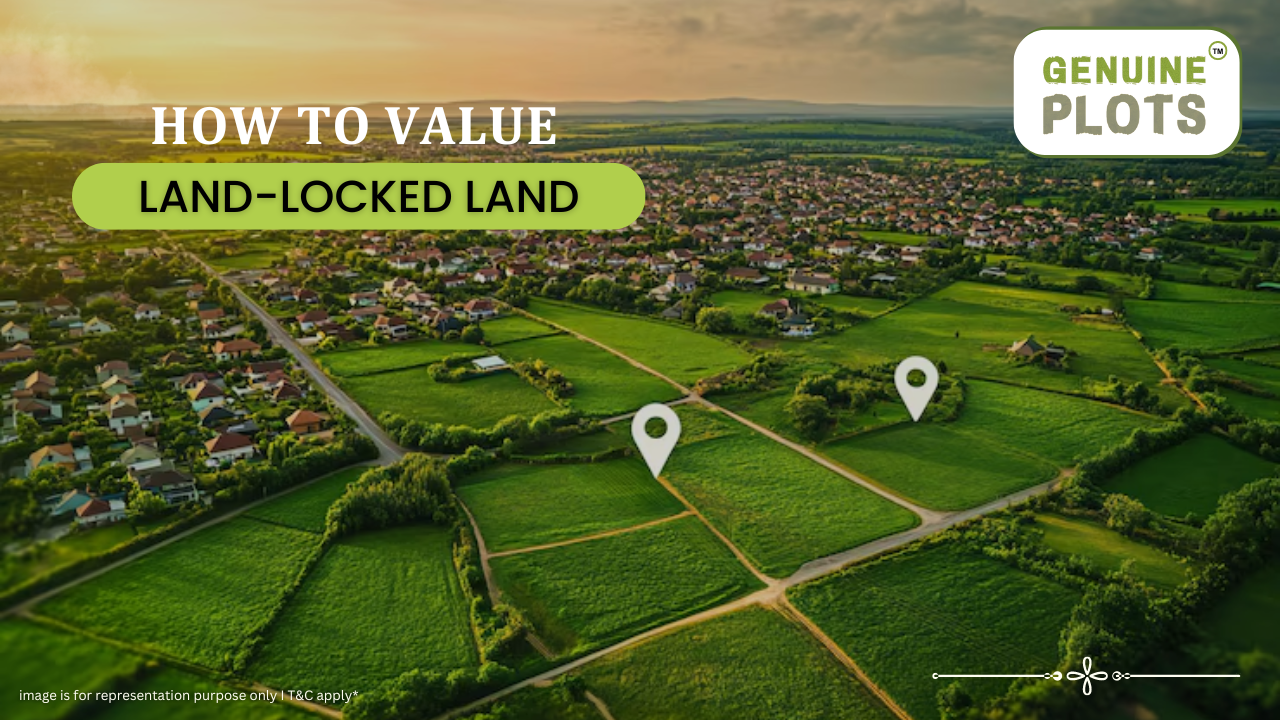
Land-locked land means a piece of land that doesn’t have direct access to roads or other public places. Valuing this type of land can be a bit tricky, but here’s a simple guide to help you understand it better.
- Understand the Location:
- Check where the land is located. Is it close to important places like markets, schools, or factories? Even though it is land-locked, if it is near valuable places, it may be worth more.
- Check the Land’s Size:
- Measure how big the land is. Bigger land usually costs more, but the value also depends on other factors.
- Look at Similar Land:
- Find other land pieces that are similar and see how much they cost. This will give you an idea of how much your land might be worth.
- Consider Future Use:
- Think about what the land can be used for in the future. If it can be used for something important or profitable, it might increase in value.
- Find Out About Access:
- Even if the land is land-locked, check if there are plans to improve access in the future. Easier access can make the land more valuable.
- Check for Legal Issues:
- Make sure there are no legal problems with the land. Clear legal status adds to the land’s value.
- Consult an Expert:
- If you’re unsure, ask a real estate expert for help. They can provide a more accurate valuation.
In summary, valuing land-locked land involves understanding its location, size, similar land prices, future use, access, legal issues, and sometimes getting professional advice.To learn more and find verified, clean land with expert advice and online booking options, contact Genuine Plots today!
Next Post
Advantages of Investing in Plots in 2024Preserving Agricultural Lands: The Role and Challenges of Green Zones

Agricultural land is a vital resource that ensures food security, ecological balance, and rural livelihoods. However, in an era marked by rapid urbanization and industrial expansion, the preservation of agricultural land is becoming increasingly challenging. The concept of the Green Zone is a proactive response to this challenge, aiming to protect agricultural activities, provide recreational spaces, and curb urban sprawl. Despite its importance, the Green Zone faces several practical challenges that necessitate a balanced approach to land use
Understanding the Green Zone
The Green Zone encompasses all lands deemed agricultural unless explicitly categorized otherwise. This broad definition includes lands that might not currently be under cultivation but are still considered agricultural. The primary objective of the Green Zone is to safeguard agricultural activities from being overtaken by non-agricultural developments. By designating large areas as Green Zones, regional plans aim to maintain the integrity of rural landscapes and ensure that agricultural practices can continue to thrive.
The Multifaceted Use of Green Zones
While the Green Zone primarily focuses on agricultural preservation, the reality of rural life and development requires these lands to serve multiple purposes:
- Gaothan Extensions: Every village has a designated area for settlement, known as Gaothan. As rural populations grow, there is a need to expand these settlements. Legal provisions, such as those in the MLR Code and the Bombay Village Grampanchayat Act, allow for the extension of Gaothan to accommodate the increasing housing and infrastructure needs of villagers.
- Agro-Based Industries: Agricultural land is not solely for cultivation. It also supports agro-based industries that process farm produce. These industries are crucial for adding value to agricultural products, creating jobs, and sustaining rural economies.
- Infrastructure Development: Essential services like roads, hospitals, and schools are necessary for any community, including those in rural areas. Agricultural land often needs to be allocated for these purposes to ensure that rural residents have access to necessary services and amenities.
- Agricultural Activities with Infrastructure: Some agricultural practices require substantial infrastructure. Poultry farms, horticultural projects, cattle stables, piggeries, and sheep farms need buildings and other facilities, which consume agricultural land.
- Non-Agricultural Activities: Due to the high cost and scarcity of large parcels of land in urban areas, certain space-intensive activities are shifted to the Green Zone. Educational institutions, medical facilities, social and cultural centers, religious institutions, and even film and video shooting sites find a more feasible home in these rural areas.
Balancing Preservation and Development
While the primary aim of the Green Zone is to protect agricultural activities, it must also accommodate the evolving needs of rural communities. This necessitates a dynamic approach to land use planning, where agricultural preservation and rural development are not seen as mutually exclusive but as complementary goals.
Protecting Green Zones for the Future
Implementing stringent regulations that prevent the indiscriminate conversion of agricultural land to non-agricultural uses is crucial to ensuring the long-term sustainability of green zones. At the same time, policies must be flexible enough to allow for necessary rural development. Strategic planning, community involvement, and robust legal frameworks are essential to achieving this balance.
Summary
Green Zones play a critical role in protecting agricultural lands and supporting rural communities. However, the multifaceted demands on these lands require a nuanced approach to land use planning.
Looking for a hassle-free land-buying experience? Look no further! At Genuine Plots, we've got you covered. From verified documents to clean papers, we take care of it all. Plus, with free support and the option to book online, securing your dream plot has never been easier. Don't miss out on this opportunity – start your land-buying journey with Genuine Plots today!

How to Purchase Tribal Land in Maharashtra- A Step-by-Step Guide
Buying tribal land in Maharashtra is a special process. Here is a step-by-step guide to help you understand it:
Check Land Type
- Tribal land can only be sold to a tribal person or organization.
- Make sure the land you want to buy is legally available for sale.
Get Permission
- You need permission from the District Collector.
- Submit an application explaining why you want to buy the land.
Application Process
- Fill out the application form.
- Attach documents like identity proof, land details, and reasons for purchase.
Verification
- The authorities will verify the information.
- They may visit the land and check documents.
Approval
- If everything is correct, the District Collector will give approval.
- You will get written permission to buy the land.
Sale Agreement
- Prepare a sale agreement with the landowner.
- Get it signed and registered.
Payment
- Pay the agreed amount to the landowner.
- Ensure to get receipts for the payment.
Transfer of Land
- The land title will be transferred to your name.
- Complete the registration at the Sub-Registrar office.
Follow-up
- Keep a copy of all documents.
- Make sure the land records are updated in your name.
Remember, buying tribal land has specific rules to protect tribal communities. Follow all legal steps carefully.
Looking for a hassle-free land-buying experience? Look no further! At Genuine Plots, we've got you covered. From verified documents to clean papers, we take care of it all. Plus, with free support and the option to book online, securing your dream plot has never been easier. Don't miss out on this opportunity – start your land-buying journey with Genuine Plots today!
Why Choosing NA Plots in Pune is Smarter Than Buying a Second Apartment

Investing in Non-Agricultural (NA) plots in Pune offers numerous advantages over purchasing a second apartment. Pune, known as the "Oxford of the East" due to its numerous educational institutions, has experienced steady growth in real estate development. Besides its scenic beauty, Pune provides a rich lifestyle, vibrant culture, and abundant job opportunities, making it a desirable location for both local residents and non-resident Indians (NRIs).
Ownership and Freedom
One key benefit of investing in NA plots is the ownership and freedom they provide. When you purchase a piece of land, you own it outright and can decide how to utilize it. Whether you choose to build a stunning villa, develop a commercial property, or rent it out, you have the flexibility to make choices that suit your investment goals.
Value Appreciation
NA plots offer significant potential for value appreciation. Land prices have consistently risen over time, making it a lucrative investment. As Pune continues to expand, the demand for land is expected to grow, leading to further appreciation in value. This makes NA plots an excellent choice for those seeking to increase their wealth and ensure financial security.
Customization and Flexibility
Investing in an NA plot gives you the ability to customize and design your space according to your specific needs and preferences. Unlike apartments, where you are restricted by predefined layouts and spaces, a plot of land allows you to build a larger, more adaptable structure. This flexibility means creating a home or property that suits your requirements perfectly.
Ideal for NRIs
For NRIs looking to invest in Pune, NA plots present a highly attractive option. Pune offers NA villa plots specifically designed to meet the needs of NRIs, featuring easy documentation, straightforward registration processes, and dedicated customer support to assist with any issues or questions. These factors make investing in NA plots a hassle-free experience for NRIs.
High-Growth Locations
NA plots are often situated in areas with high growth potential. By investing in such locations, you can benefit from the overall development of the area, which can significantly increase the value of your investment. As the locality grows and develops, your land can appreciate in value, offering you a solid return on investment.
Conclusion
Investing in NA plots in Pune provides a range of benefits that make it a smarter choice compared to buying a second apartment. From the freedom and flexibility to customize your property, to the significant potential for value appreciation, NA plots offer a compelling investment opportunity. Whether you are a local resident or an NRI, choosing to invest in NA plots in Pune can be a strategic and rewarding decision.

Investing in real estate is a major decision, and deciding whether to buy a farmhouse or a plot can be difficult. Here are the essential factors to keep in mind.
Location
- Farmhouse: Usually located on the outskirts of Tier 1 cities, away from the hustle and bustle. Transportation can be a challenge.
- Plot: Easier to find in Tier 2 cities with ample space. In Tier 1 cities, plots are available but very expensive.
Purpose
- Farmhouse: Often bought as a second home or for lifestyle reasons. Can be used for renting, like hosting weddings and other events.
- Plot: Typically bought to build a home. Mainly for end-use or investment.
Land Area
- Farmhouse: Large areas, usually at least an acre (43,560 sq ft) and can go up to five acres. Only 20% can be used for building.
- Plot: Smaller areas, around 1,500 to 2,000 sq ft in metropolitan cities.
Pricing
- Farmhouse: Cheaper per sq ft than plots but requires a larger total investment. Starting at Rs 600 per sq ft, a 2-acre farmhouse can cost around Rs 5.5 crore.
- Plot: Expensive, especially in prime locations of Tier 1 cities, costing between Rs 10,000 and Rs 30,000 per sq ft. A 1,500 sq ft plot could cost around Rs 3 crore, not including construction.
Restrictions
- Farmhouse: Many states have rules for buying farmhouses. For example, in Maharashtra and Gujarat, you need to buy at least 11,000 sq ft. Only farmers can buy in some states like Karnataka and Himachal Pradesh.
- Plot: No restrictions based on profession. Anyone can buy a residential plot.
Amenities
- Farmhouse: Often come with amenities like a swimming pool, patio, barn, and fireplace. Usually, an already constructed property needing some customization.
- Plot: Basic amenities like electrical, water, and sewage lines. You have to build everything from scratch.
Return on Investment
- Farmhouse: Good potential for extra income by renting for events. Popularity is increasing, leading to rising prices.
- Plot: Steady appreciation in value, especially in metro cities. Cannot be leased for commercial use but can offer good returns over time.
Choosing between a farmhouse and a plot depends on your needs and goals. If you want a second home with potential rental income, a farmhouse might be better. If you aim to build a home in a city, a plot might be the way to go.

In Pune, a city known for its bustling energy and rapid development, a unique solution has emerged to address the challenges of land acquisition. With 20 acres of prime land set to be leased out, local authorities are pioneering a new approach to meet the city's growing needs while navigating the complexities of land procurement.
In recent years, Pune has faced significant hurdles in acquiring land for various developmental projects. From bureaucratic red tape to legal disputes and community resistance, the process of acquiring land has often been prolonged and contentious. These challenges have hampered the city's ability to expand infrastructure, housing, and other essential amenities to support its burgeoning population.
However, the decision to lease out 20 acres of prime land represents a departure from traditional methods of land acquisition. Instead of engaging in lengthy negotiations and legal battles, the local government is opting to lease the land to developers and investors for a specified period. This innovative approach not only bypasses the hurdles associated with acquisition but also provides a sustainable solution to meet the city's immediate needs.
The leased land, located in strategic areas of Pune, holds immense potential for development. From commercial complexes and residential projects to green spaces and recreational facilities, the possibilities are endless. By inviting private investment through leasing, the city aims to expedite the development process while ensuring that projects are executed efficiently and sustainably.
Moreover, the lease agreements are designed to prioritize the interests of the community and the environment. Developers and investors will be required to adhere to strict guidelines regarding land use, environmental conservation, and community engagement. This ensures that development projects contribute positively to Pune's social fabric and ecological balance.
Additionally, the lease model offers financial benefits for both the city and investors. While developers gain access to prime land at competitive rates, the city generates revenue through lease payments, which can be reinvested in further development initiatives. This mutually beneficial arrangement fosters collaboration between the public and private sectors, driving inclusive growth and prosperity.
In essence, Pune's decision to lease out prime land reflects a progressive approach to urban development. By embracing innovative solutions and forging partnerships with the private sector, the city is overcoming the challenges of land acquisition while laying the groundwork for a more sustainable and vibrant future. As other cities grapple with similar issues, Pune's example serves as a beacon of inspiration for fostering growth and prosperity through collaboration and innovation.
Recent Posts
Tags
Bhunaksha,
genuine plots,
Land For Sale,
Maharashtra Bhunaksha,
plots for sale,
Gunthewari,
Gunthewari Land,
Gunthewari Rules,
Extract Documents,
Plots and Lands,
Saat Baara,
Extract Saat,
Baara Utara,
Jamabandi,
property tax payments,
Gram Panchayat,
lower prices,
non-agricultural land,
Lower Investment Cost,
Gram Panchayat lands,
Fresh Land Settlements,
Growing demand,
affordable homes,
genuine p,
legal Land,
bungalow plots,
Konkan,
Maharashtra,
Purandar,
Pune,
Karnataka,
Bangalore,
Farm Land,
Kolkata,
Rajarhat,
Indore,
Chhatrapati Sambhajinagar,
Aurangabad,
Mundhwa,
Agricultural Land,
Farmhouse Plot,
Rules And Penalties,
Residential Plots,
NA PLots,
Residential NA Plots,
Commercial NA Plots,
Animal Husbandry Land,
Tathawade,
Vahivat Land Maps,
Vahivat,
Indian Land Records,
Ownership Rights,
Red zone,
PCMC,
Dehu Road,
Land Registration Rules,
Land Investing,
Infrastructure Growth,
Land Ownership,
Land Encroachment,
Panshet Dam,
Varasgaon Dam,
Verified Land,
Plot For Sale,
Land Investment,
Verified Plots,
Land Acquisiton,
Hydrological Survey,
Invest In Land,
Verified Land Plots,
Panshet,
Khadakwasla,
Land Rules,
Dakhil Kharij,
Land Registry,
Property Onwership,
Clean Title Check List,
Property Verification,
Digital Registry,
Farm Plots,
Agro Property,
Land Value Growth,
Urban Expansion,
Senapati Bapat Road,
Registered Land,
Agricultral Plot,
Purandar Airport,
Safe Investment,
Secure Property,
Plot Buyers,
Approved Plots,
Land ROI,
NA Approved Plots,
NA Land,
Welspun One,
Logistic Park,
Talegaon,
PMC Bharat Mandapam,
Urban Development,
Lohgaon,
Close To Nature,
Gated Community Plots,
Buy Land VS Gold Investment,
NRI Investment,
Future Ready Living,
Trusted Plots,
Plot Investment,
Authentic Land,
Safe Land Buying,
Mumbai,
Premium Plots,
MMR Land Investment,
MMR Infrastructure,
Metro Connectivity,
Plots in Mahabaleshwar hill station investment,
Mahabaleshwar land prices and future growth,
Scenic residential plots in Mahabaleshwar,
Mumbai 3.0,
Mumbai 3.0 vs Mumbai 2.0,
Mumbai property investment,
Real estate investment in Mumbai,
Upcoming residential projects in Mumbai,
CIDCO plot auctions,
CIDCO auction Navi Mumbai,
Upcoming CIDCO plot auctions 2026,
CIDCO land auction dates,
Navi Mumbai plot auctions,
CIDCO plots in Navi Mumbai,
CIDCO plots in Kharghar,
CIDCO plots in Ulwe,
NMIA investment opportunities,
Mumbai 3.0 plotted development,
Mumbai 3.0 real estate,
Plots in Mumbai 3.0,
Land investment in Maharashtra,
Residential plots near Mumbai,
Land appreciation in Mumbai 3.0,
Residential land for sale in Mumbai 3.0,
Altamura NA Plots,
Altamura Nadar City,
NA Plots in Nadar City,
Nadar City Plots,
Plots in Nadar City,
YEIDA plots,
YEIDA plots near Noida Airport,
Noida Airport plots,
Jewar Airport investment,
Yamuna Expressway plots,
YEIDA plot scheme 2026,
Noida Airport real estate,
Zepto,
Zepto effect,
D2C brands India,
Urban consumer trends,
Marketplace evolution,
Urban infrastructure growth,
YEIDA Residential Plot Scheme,
Yamuna Expressway Plot Scheme,
YEIDA Residential Plots,
Yamuna Expressway Authority,
Noida Investment,
Residential Plots in Lucknow,
LDA Plots in Lucknow,
Lucknow Real Estate,
LDA Approved Plots,
Plots for Sale in Lucknow,
Lucknow Property Investment,
Land Investment in Lucknow,
Residential Land in Lucknow,
Buy Plot in Lucknow,
Lucknow Development Authority,
Maharashtra Fragmentation Law 2025,
Fragmentation Act Maharashtra,
Maharashtra land law update 2025,
Maharashtra land reforms 2025,
Land subdivision rules Maharashtra,
Maharashtra agriculture land purchase rules,
Agricultural land purchase restrictions Maharashtra,
Can non-farmers buy agricultural land in Maharashtra,
NA conversion process Maharashtra,
Collector permission for land purchase,
farmland prices in Nagpur,
agricultural land price in Nagpur per acre,
farmland cost in Nagpur Maharashtra,
Nagpur agricultural land investment,
per acre agricultural land rate in Nagpur,
Tukdebandi Law Maharashtra,
Maharashtra Fragmentation Act update,
Land subdivision law Maharashtra,
Agricultural land division Maharashtra,
Maharashtra land reform ordinance,
Plot registration Maharashtra,
Farmland prices Nagpur,
Nagpur agricultural land rates,
Farmland per acre Maharashtra,
Agricultural land price Nagpur,
Farm land cost Nagpur,
Nagpur real estate trends,
Land investment Nagpur,
Avani Farms,
Avani Farms Pune,
Farmland near Pune,
Farm plots for sale,
Agricultural land investment,
Gated farmland near Pune,
NRI agricultural land rules India,
Can NRI buy agricultural land in India,
FEMA rules for NRI property purchase,
RBI guidelines for NRI land investment,
NRI farmland investment India,
Agricultural land purchase by NRI,
Maharashtra Fragmentation Act,
Minimum plot size in Maharashtra,
Guntha rules Maharashtra,
Agricultural land division rules,
Minimum land area for sale in Maharashtra,
Legal plot size in guntha,
Guntha conversion rules,
NRI land purchase in India,
Can NRIs buy agricultural land in India,
NRI property investment India,
NRI buying residential land,
NRI real estate guidelines India,
Investment tips for NRIs in India,
Mutation Entry Process,
Land Mutation in India,
Property Mutation Process,
Land Ownership Transfer,
1 guntha na plot prices in pune 2026,
1 guntha plot price in pune,
na plots in pune,
residential na plots pune,
guntha plot rate in pune,
na plot investment in pune,
plots near purandar airport,
1 Acre Land Price in Pune,
Pune Land Rates 2025,
Pune Land Price 2026,
Pune Acre Land Cost,
Land Value Pune,
Agricultural Land Price Pune,
gated community plots in Hinjewadi,
Hinjewadi plots for sale,
residential plots in Hinjewadi Pune,
premium plots in Hinjewadi,
plots near Rajiv Gandhi Infotech Park,
land for sale in Hinjewadi Pune,
Pune property investment,
plots for sale in Pune below 5 lakhs,
Pune rural land investment,
gated plotting projects Pune,
MIDC growth corridor plots,
Residential plots for sale in Hinjewadi,
Plots in Hinjewadi Pune,
Land for sale in Hinjewadi,
Residential NA plots Hinjewadi,
Hinjewadi real estate trends 2026,
Nashik land investment,
Trimbakeshwar land for sale,
Simhastha Kumbh 2026,
Simhastha Kumbh 2027 real estate impact,
Trimbakeshwar property investment,
Land appreciation in Nashik,
plots for sale in pune,
types of plots in pune,
residential plots in pune,
agricultural land in pune,
villa plots in pune,
NRI agricultural land purchase India,
NRI property investment in India,
Agricultural land rules for NRIs,
NRI real estate investment India,
NA plot meaning,
what is NA land,
NA land in Maharashtra,
land investment guide,
NRI agricultural land in Telangana,
Telangana land laws for NRI,
Telangana real estate laws,
NRI investment guide Telangana,
Legal compliance for NRI property,
NRI farmhouse purchase India,
RBI guidelines for NRI property,
NRI land buying rules,
Godham Eco Village,
Godham Eco Village for NRIs,
NRI land investment in India,
Investment plots for NRIs,
Secure land investment India,
NRI property buying guide,
plots in Pune,
NRI buying property in India,
NRI guide to buying land in Pune,
NRI land investment in Pune,
NRI property documents checklist,
Maharashtra land reform 2025,
Maharashtra land laws update,
Agricultural land rules in Maharashtra,
Buying agricultural land in Maharashtra,
Non-agricultural land conversion Maharashtra,
Maharashtra agricultural land rules 2024,
agricultural land purchase in Maharashtra,
non agriculturist land purchase rules,
who can buy agricultural land in Maharashtra,
Maharashtra land laws for non farmers,
Guntha based land rules,
Minimum guntha rule Maharashtra,
Maharashtra land laws,
Maharashtra agricultural land laws,
farmland investment Maharashtra,
buying farmland legally in Maharashtra,
NA conversion rules Maharashtra,
agricultural land eligibility criteria,
Property Mutation in India,
Land Record Update,
Revenue Records,
Property Ownership Transfer,
Mutation of Property,
Farmhouse Plots Near Pune,
NRI Investment in Pune,
Pune Real Estate,
Plots for Sale Near Pune,
Luxury Farmhouse Plots,
Pune plot scams,
Plot buying checklist,
Legal verification for plots,
NA plot verification,
Plot buying tips Pune,
Godrej Properties,
Evora Estate Panipat,
Luxury plots in Panipat,
Premium land investment,
Residential plots in Panipat,
Lodha Developers,
Lodha Developers Q3 acquisition,
Lodha land parcels Q3,
Indian real estate news,
New residential projects India,
Real estate investment news,
Premium housing projects,
Srijan Group,
Kolkata Tech Park,
Commercial Real Estate,
Real Estate Investment,
Real Estate Deal News,
NRI investment in India,
NRI land investment,
Plots for sale in India,
NRI property investment,
Can NRI buy residential plot in India,
NRI land purchase rules,
Residential plots for NRIs,
NRI real estate investment,
NRIs buying property in India,
Can NRIs buy plots in India 2026,
RBI rules for NRI property purchase,
NRI land investment rules,
MMR 3.0,
MMR real estate 2026,
Mumbai real estate market,
Navi Mumbai investment,
Thane property market,
Mumbai property trends 2026,
Land investment in MMR,
Mumbai smart city project,
Korea Mumbai partnership,
MMRDA infrastructure projects,
Korean investment in India,
MMR GDP growth,
MMR economic roadmap 2030,
Mumbai real estate,
Public private partnership projects Mumbai,
Investment opportunities in MMR,
Mumbai Metropolitan Region,
Mumbai urban development,
MMR 2047 vision,
Mumbai infrastructure projects,
Navi Mumbai development,
Goa property investment,
Invest in Goa 2026,
Goa real estate market 2026,
Best places to invest in Goa,
North Goa property,
Property appreciation in Goa,
Goa plots for sale,
Commercial property in Goa,
Buy property in Goa,
YEIDA plots 2026,
Residential plots in YEIDA,
YEIDA new scheme update,
Plots near Noida International Airport,
Yamuna Expressway Authority plots,
YEIDA housing scheme details,
Lucknow land investment,
Property in Lucknow,
Buy plots in Lucknow,
Nashik plots for sale,
Kumbh Mela 2026 Nashik,
Land investment in Nashik,
Nashik property market 2026,
Plots near Kumbh Mela Nashik,
Residential plots in Nashik,
Upcoming projects in Nashik,
Property appreciation in Nashik,
Maharashtra land investment,
Nashik Kumbh Mela 2026,
Kumbh Mela investment opportunities,
Infrastructure development in Nashik,
Plots near Nashik Kumbh Mela,
High ROI land investment,
MIHAN,
MIHAN Nagpur,
Nagpur Real Estate,
Agricultural Land Nagpur,
Nagpur Property,
Plots Near In MIHAN,
Pune residential plots,
best areas to buy plots in Pune,
Pune land investment,
investment plots in Pune,
buy land in Pune,
real estate investment in Pune,
Godrej Plots Doddaballapur,
Doddaballapur plots for sale,
Plots in North Bangalore,
Godrej Properties plots,
Residential plots in Doddaballapur,
Investment plots near Bangalore,
Gated community plots Bangalore,
Premium plots in Doddaballapur,
plots in Mahabaleshwar,
Mahabaleshwar villa plots,
farmhouse plots in Mahabaleshwar,
land for sale in Mahabaleshwar,
bungalow plots in Mahabaleshwar,
hill station property investment,
agricultural land in Mahabaleshwar,
premium land in Mahabaleshwar,
Plots in Pune under 3 lakhs for sale,
Budget residential plots near Pune,
Low cost plots near Pune highway connectivity,
plots in Pune under 3 lakhs,
farmland plots near Pune city,
Investment plots near Pune under budget,
Residential land near Pune,
Godrej plots in Pune,
Premium plotted development by Godrej in Pune,
Residential land for sale by Godrej,
Premium plot by Godrej,
Plots for sale in Hadapsar Pune,
Residential plots in Hadapsar,
Investment plots in Hadapsar,
Gated community plots in Hadapsar,
Ready to build plots in Hadapsar,
1 Guntha plot in Pune,
1 Guntha plot in Pune for sale,
1 Guntha plots near Pune city,
Residential 1 Guntha land in Pune,
Clear title 1 Guntha plot in Pune,
1 guntha plot price in village,
village plot rate per guntha,
affordable 1 guntha land in rural area,
residential plot in village Pune,
farmland plot price per guntha,
Residential 1 Guntha plot near Pune city,
Investment plots in Pune 1 Guntha,
Clear title 1 Guntha land in Pune,
Agricultural 1 Guntha plot near Pune,
1 Guntha plot in Pune Katraj for sale,
Residential plot in Katraj Pune 1 Guntha,
Katraj Pune land for home construction,
1 Guntha NA plot in Katraj Pune,
Pune Katraj plot near highway connectivity,
Gated plot project in Katraj Pune,
NA plots in Pune under 10 lakhs,
Affordable NA plots near Pune city,
NA residential plots in Pune,
NA approved plots in Pune under 10 lakhs,
Investment plots in Pune under 10 lakhs,
Residential NA plots near Pune highway,
Best plots in Pune below 10 lakhs,
Premium villa plots in Pune,
Residential villa plots in Pune near city outskirts,
Luxury villa plots in Pune,
Gated villa plot project in Pune,
Villa plot site visit in Pune,
NA plots in Pimpri Chinchwad for sale,
Residential NA plots in PCMC area,
NA approved plots in Pimpri Chinchwad,
NA land with clear title in PCMC,
NA plots near Pune Mumbai Highway PCMC,
Godrej Villa Plots Doddaballapur,
Godrej plotted development Bangalore,
villa plots in North Bangalore,
premium villa plots Bangalore,
Godrej Properties plots Bangalore,
Brigade Plots Malur,
Brigade Malur plots,
plots in Malur East Bangalore,
investment plots in East Bangalore,
residential plots in Malur Bangalore,
Brigade Group plots Bangalore,
land investment in East Bangalore,
gated community plots in Malur,
prestige plots devanahalli,
prestige plots in devanahalli bangalore,
plots for sale in devanahalli,
prestige plots investment,
premium plots in devanahalli,
residential plots near kempegowda airport,
What is NA plot in real estate,
NA land meaning in property,
NA approved plotsDifference between NA and agricultural land,
Buying NA plots in Maharashtra,
NA plot vs agricultural land,
Plot prices in Mysore,
Mysore infrastructure projects,
Mysore property investment,
Land investment in Mysore,
Plot investment opportunities,
land buying guide in goa,
buy land in goa,
plots for sale in goa,
legal process to buy land in goa,
property in goa,
residential plots in goa,
Nashik Simhastha Kumbh Mela 2026,
Sadhugram expansion Nashik,
Maharashtra Kumbh Mela planning,
Nashik Kumbh Mela preparations,
tourism development in Nashik,
plots in Nagpur,
Nagpur plot investment,
land for sale in Nagpur,
residential plots in Nagpur,
golden rules before buying plots in Nagpur,
Nagpur land investment,
plot investment in Nagpur,
land investment in Nagpur,
plots for sale in Nagpur,
best areas to buy plots in Nagpur,
buying plots in Nagpur,
plot purchase checklist,
legal checklist for buying land,
documents required for plot purchase,
NA plots in Nagpur,
Tattvana,
Tattvana in Kamshet,
Moregaon Farmland Estates,
farmland investment Pune,
agricultural land investment,,
farmland for sale near Pune,
farm plots in Pune,
gated farmland projects,
agricultural plots Maharashtra,
open plot vs NA plot,
difference between open plot and NA plot,
what is NA plot in India,
open plot meaning in real estate,
NA land vs agricultural land,
residential NA plots benefits,
land investment in India,
buying NA plot vs open land,
capital gains on agricultural land,
rural vs urban agricultural land tax,
agricultural land tax rules India,
capital gains tax India property,
is agricultural land taxable,
rural agricultural land exemption,
urban agricultural land tax India,
Runwal Enterprises Alibaug township,
Alibaug real estate,
coastal real estate India,
township projects in Alibaug,
luxury properties in Alibaug,
Mumbai weekend homes investment,
Alibaug property investment,
isprava south goa,
ultra luxury villas in goa,
south goa real estate,
luxury homes in goa,
isprava projects goa,
premium villas in south goa,
land investment advisory services,
secure land investment,
real estate advisory services,
verified land deals,
investment plots near Pune,
land buying guide India,,
#KanpurRealEstate,
#KDAPlots,
#KanpurProperty,
#RealEstateKanpur,
#PropertyTrends,
Gokul Plots investment,,
real estate investment Gokul,,
plots with high appreciation potential,
smart land investment strategies,
plots for sale in North Bangalore,
land investment Bangalore,,
emerging areas in North Bangalore,
residential plots Bangalore,,
Bangalore real estate investment,,
North Bangalore property trends,,
plots near airport Bangalore,,
HUDA plots in Gurgaon,
HUDA plots in Faridabad,
residential plots Haryana,
HUDA approved plots,
plots for sale in Gurgaon,
plots in Faridabad investment,
Prestige Marigold plots,,
Bangalore plotted developments,
land investment Bangalore,
best plots in North Bangalore,
#PlotsForSaleInNellore,
#NelloreRealEstate,
#NellorePlots,
#RealEstate2026,
#PropertyInvestment,
#NelloreProperty,
#AndhraPradeshRealEstate,
GMADA E Auction 2026,
GMADA plots Mohali,
plots in Mohali for sale,
GMADA Mohali auction process,
buy plots in Mohali,
Punjab property investment,
GMADA scheme 2026,
Mohali real estate,
HSVP plots 2026,
HSVP plot investment,
HSVP plots Haryana,
land investment benefits,
residential plots investment,
government approved plots,
buy plot in New Chandigarh,
flats in New Chandigarh,
New Chandigarh real estate,
property investment in New Chandigarh,
residential plots in New Chandigarh,
apartments in New Chandigarh,
#WaveCityGhaziabad,
#GhaziabadPlots,
#PlotsInGhaziabad,
#NCRRealEstate,
#RealEstateInvestment,
#ResidentialPlots,
APIIC vacant plots,
APIIC plots for sale,
industrial plots in Andhra Pradesh,
commercial land for MSMEs,
startup investment plots,
APIIC industrial land,
HUDA plots,
HUDA plots investment,
property appreciation,
plot investment benefits,
high return property investment,
land appreciation,
#GDAPlotsInGhaziabad,
#PlotsForSaleInGhaziabad,
#ResidentialPlotsGhaziabad,
#InvestmentPlots,
#RealEstateGhaziabad,
#GDAApprovedPlots,
#BaliProperty,
#PropertyInBali,
#IndiansInBali,
#BaliRealEstate,
#InternationalPropertyInvestment,
buy plots in Sarjapur Road Bangalore,
plots in Sarjapur Road,
residential plots in Sarjapur Road,
land for sale in Sarjapur Road Bangalore,
investment plots in Bangalore,
plots near IT corridor Bangalore,
how Indians can buy property in Bali,
buy property in Bali for Indians,
Bali property investment,
property in Bali for Indian buyers,
Bali real estate guide,
foreign property investment Bali,
legal checks before buying property in Bali,
Indians invest in Bali property,
due diligence for Bali property,
Bali real estate for Indians,
Bali property legal verification,
verified farmland plots,
100% verified farmland plots,
farmland investment India,
legal farmland plots,
farmland plots for sale,
Konkan land investment,,
high-growth corridors Maharashtra,
land investment 2026,
plots for sale in Maharashtra,