Prev Post
How to Value Land Locked Land
Investing in plots of land is a smart choice in 2024. Here’s why buying land could be a great decision for your future:
Tangible Asset with Lasting Value
Owning a plot of land means you possess something real and valuable. Land generally retains its worth over time. As a finite resource, land often appreciates, providing a stable and reliable investment.
Flexible Use
A plot of land offers incredible flexibility. Whether you want to build your dream home, set up a business, or sell it later for a profit, land provides a blank canvas for various uses.
Potential to Increase in Value
Historically, land values tend to rise over time. As populations grow and available land becomes scarcer, your plot’s value is likely to increase. This potential for appreciation can be a significant financial advantage, making land a lucrative long-term investment.

Low Maintenance
Compared to properties with buildings, land requires minimal upkeep. You don’t have to worry about repairs, renovations, or managing tenants. This low-maintenance nature reduces costs and stress, making land a hassle-free investment.
Protects Against Inflation
Land acts as a hedge against inflation. As living costs rise, land values often increase, helping to preserve your investment’s value. This protection against inflation ensures that your asset maintains its purchasing power over time.
Opportunity for Future Income
While land doesn’t provide immediate income, it can be a source of future revenue. You might sell it at a higher price later or develop it to generate rental income. This potential for future cash flow adds to the attractiveness of land as an investment.
Investing in plots in 2024 offers numerous benefits. With its enduring value, flexibility, appreciation potential, and low maintenance, land is a solid investment choice. It provides protection against inflation and opportunities for future income, making it a wise addition to your investment portfolio. Start exploring land opportunities today to secure a prosperous future.

Khopoli is emerging as one of Maharashtra's most promising real estate markets. Here’s why plots in Khopoli are gaining so much attention — and why getting in now could be a smart move.
1. Strategic Location Advantage
Khopoli sits right along the Mumbai–Pune Expressway, giving it unbeatable road connectivity to two of India’s largest business cities. It’s only about 80–90 km from both Mumbai and Pune, making it the perfect midpoint for people who work or do business in either direction.
The upcoming Mumbai–Pune Expressway Missing Link Project will make travel even faster by cutting down travel time and distance through new tunnels and bridges. This improved connectivity will instantly boost the demand for homes and land in Khopoli, making it a future-ready location.
2. Growing Industrial Base
There are already several industrial estates in Khopoli, including the Khopoli Industrial Area, which houses businesses from various industries such as engineering, chemicals, textiles, and pharmaceuticals. Numerous well-known logistics and manufacturing companies operate here, creating a steady demand for housing and employment opportunities.
As industrial growth continues, so does the need for housing, warehousing, and commercial spaces — all of which fuel the demand for land.
3. Rapid Infrastructure Development
Infrastructure is at the heart of Khopoli’s rise. Over the past few years, the region has seen:
- Wider and better-maintained roads
- Modern water and power utilities
- New residential layouts and township projects
- Enhanced digital and civic infrastructure
On top of that, the soon-to-be-operational Navi Mumbai International Airport will put Khopoli within an easy driving distance of a major global transport hub. This will benefit not only residential buyers but also industries and logistics players looking for well-connected land parcels.
4. Affordable Entry, Promising Appreciation
Compared to Mumbai, Navi Mumbai, or Pune, Khopoli offers much lower entry prices for plots. Investors can acquire larger pieces of land at a fraction of metro prices — giving them significant upside potential as development continues.
With infrastructure projects nearing completion, property values in Khopoli are expected to appreciate steadily over the coming years.
Perfect for Both Investors and End Users
Khopoli’s appeal lies in its versatility.
Investors see it as a land banking opportunity — buy now at low rates and watch appreciation unfold as infrastructure and industries expand.
End-users appreciate the peaceful environment, cleaner air, and convenient connectivity — making it an excellent spot for second homes or retirement residences.
Summary
Khopoli is becoming a significant real estate destination in its own right, no longer merely a stopover between Mumbai and Pune. It provides the ideal circumstances for long-term property appreciation due to its significant industrial activity, robust infrastructure development, and enhanced connectivity.

One of India's most important infrastructure projects is the upcoming Navi Mumbai International Airport (NMIA), which is expected to open in September 2025. Designed to handle nearly 20 million passengers annually in its first phase and scaling up to 90 million passengers per year, NMIA is more than an airport—it’s a growth engine that will transform the real estate map of Navi Mumbai.
A Growth Wave in Motion
Airports worldwide create ripple effects in housing, retail, logistics, and business hubs. NMIA is expected to generate over 4 lakh jobs, directly and indirectly, across aviation, IT, logistics, hospitality, and allied sectors. With better connectivity through the Mumbai Trans Harbour Link, metro extensions, and expressways, the surrounding regions are witnessing a surge in demand.
Real Estate Hotspots to Watch
- Panvel: With proximity to NMIA and superb connectivity via highways, metro, and rail, Panvel is already recording a 20–30% rise in property values and is expected to grow another 15–25% post-airport launch.
- Ulwe: Known for affordability, Ulwe is gaining traction due to upcoming coastal roads and metro connectivity.
- Kharghar: A more developed node, Kharghar combines lifestyle amenities with investment potential, making it attractive for end-users and investors.
- Uran & Karjat: Offering lower entry points, these emerging zones are long-term bets poised for appreciation as infrastructure expands.
Why Invest Now?
Real estate prices in many of these nodes are still at entry-level compared to Mumbai’s prime hubs. With NMIA nearing completion, the window of early investment is narrowing. Entering now allows investors to capture appreciation before prices peak.
The Bottom Line
NMIA is not just about better air travel—it’s about redefining Navi Mumbai’s growth story. For those seeking long-term appreciation, strong rental potential, and access to a booming business ecosystem, investing around NMIA in 2025 could be a game-changing move.
Plot Buying in Maharashtra The 3 Documents You Must Check Before You Invest
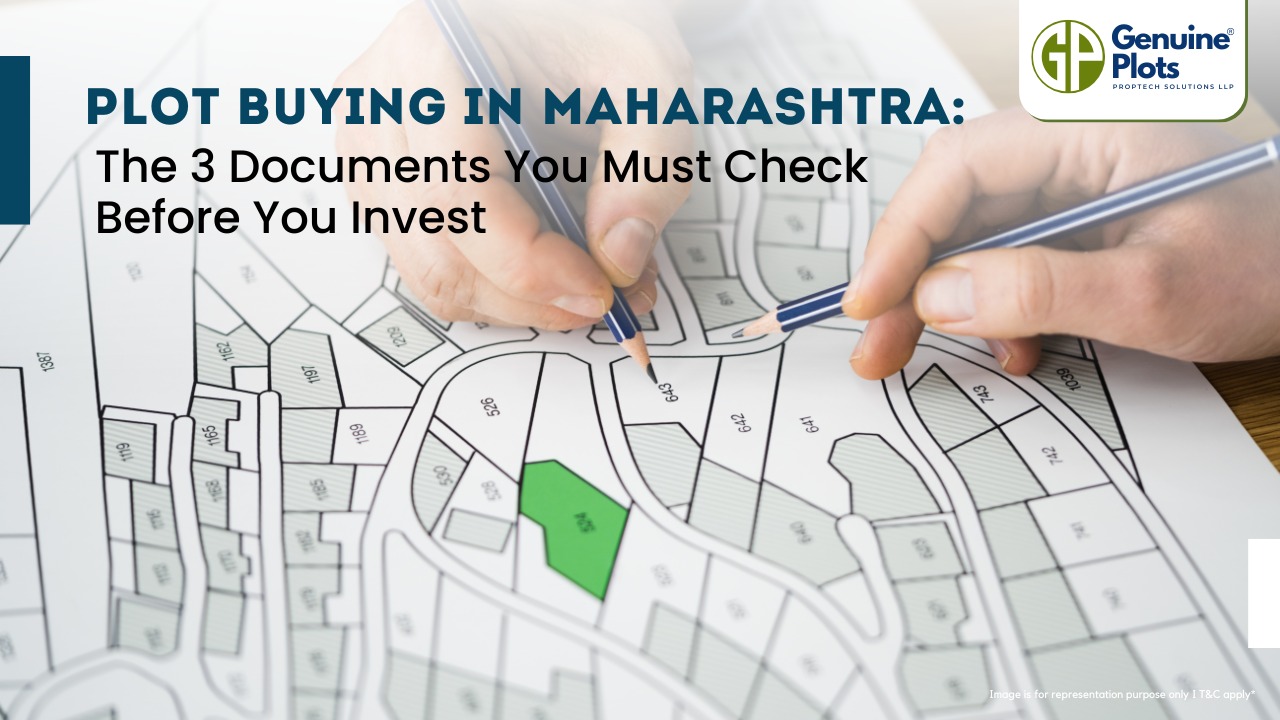
Buying a plot in Maharashtra can be one of the most rewarding investments—but only if it’s done right. Too many buyers get stuck in disputes because of overlooked paperwork. To avoid costly mistakes, you need to know three critical documents: the 7/12 Extract, the NA Order, and the Title Report.
1. 7/12 Extract or Property Card – Knowing the Land’s Identity
For rural and semi-rural plots: The 7/12 Extract (popularly called Saat-Baara Utara) is your first check. It tells you who owns the land, its survey number, the area, the type of land, and any loans or claims on it. But note—this doesn’t confirm whether you can build on it, only that the person selling is the rightful owner.
For urban plots: Within city limits, the Property Card works the same way. It shows details like the CTS number, land area, and owner’s name.
Tip: Always match these details with the seller’s information.
2. NA Order – Making Sure the Land is Fit to Build On
Not every piece of land is legally fit for construction. Agricultural land, for example, cannot be directly used for building homes.
That’s where the NA Order (Non-Agricultural Order) comes in. Issued by the Collector’s office, this document confirms the land has been officially converted for residential use. If the NA Order is missing—or marked for “industrial” or “commercial”—you cannot build a home on it.
Tip: Insist on seeing a Residential NA Order before moving ahead.
3. Title Search & Supporting Documents – Securing Clear Ownership
Even with 7/12 and NA Order in hand, you need to check if the ownership is legally clean. This is where a Title Search Report from a lawyer is essential. It traces ownership for the past 30+ years and ensures:
- No disputes over the land
- No hidden mortgages or loans
- The seller is the true and only owner
Other supporting documents to check include:
- Encumbrance Certificate (EC): Confirms no outstanding loans or legal cases
- Registered Sale Deed: The actual proof of ownership transfer
- Tax Receipts & Layout Plan Approvals: Show compliance with local authorities
Final Word
Buying a plot is a long-term investment rather than just a sale. You can make sure that your ideal house or future asset is constructed on sound legal foundations by closely examining the 7/12 Extract, NA Order, and Title.
When in doubt, always seek legal advice from Genuine Plots and verify documents with government records. A little extra caution today can save you from years of hassle tomorrow.
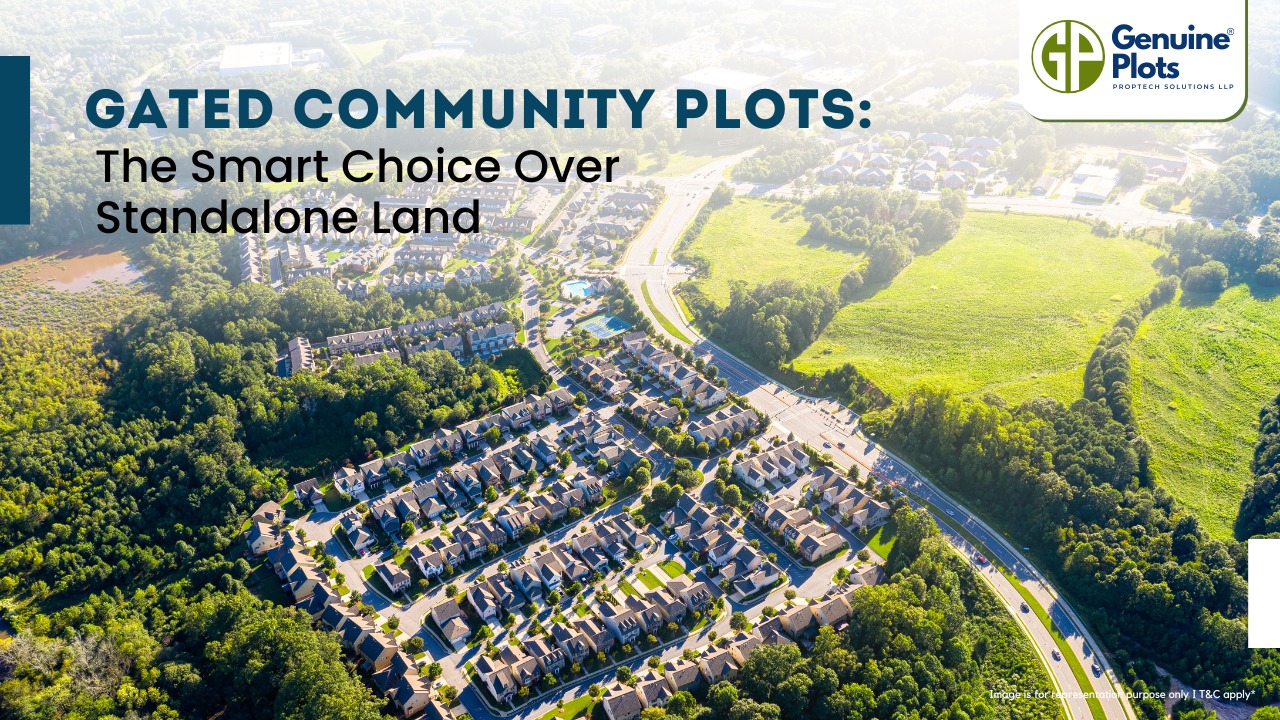
1.Unmatched Security & Peace of Mind
Security is not only a luxury but also a need in the fast-paced world of today. You can find CCTV surveillance, biometric or access-controlled gates, and guarded entry points around the clock in gated communities.
2.Infrastructure That Delivers from Day One
Forget post-purchase hassles. Gated community plots come complete with well-paved roads, street lighting, underground cabling, solid drainage systems, and reliable water supply. These essentials aren’t an extra—they’re part of the package. No more unexpected costs or tedious approvals.
3. A Lifestyle with Amenities Built In
It’s not just a plot—it’s a lifestyle. Imagine walking paths, green parks, clubhouses, swimming pools, and community halls—all just steps away. These lifestyle elements greatly enhance well-being and make your property more appealing, whether you're living there or looking to resell or rent.
4. Stronger Appreciation & Resale Potential
Well-designed gated communities dominate local markets when it comes to demand and returns. Buyers often choose plots in gated enclaves because they offer better infrastructure, managed interiors, and spatial planning—all of which help drive higher resale values.
5. Transparent Legal Processes & Clarity
Avoid the pitfalls of murky ownership titles or zoning confusion. Developers of gated communities usually provide clear land titles, RERA registration (where applicable), and proper local authority approvals. Your investment remains secure—legally and financially.
6. Built-in Community Vibe
These plots foster neighbourhood engagement—with shared spaces and organised events facilitating social interaction. It’s not just a place to live; it’s a place to belong. Standalone plots, especially in sparsely developed areas, often feel isolating by comparison.
7. Hassle-Free Maintenance
From road upkeep and landscape care to lighting in communal areas, gated societies typically handle the maintenance. You get to enjoy hassle-free living—no need to manage each service individually or constantly chase contractors.
8. Faster Loan & Insurance Approvals
Financial facilitators love gated community plots. Thanks to pre-approved structures, shorter paperwork, and lower perceived risk, loan disbursement is smoother, and interest rates tend to be more competitive. Plus, securing property insurance is generally easier and cheaper.
9. Green, Sustainable Living
Modern gated developments often include eco-friendly features like rainwater harvesting, solar lighting, wastewater management, and native landscaping, thereby reducing your carbon footprint and also lowering your long-term utility costs.
10. Future-Ready Locations & Growth Potential
Many gated community plots are strategically placed near upcoming infrastructure—think new metro lines, expressways, or IT corridors. These growth corridors often outperform standalone plot sites in terms of connectivity and appreciation.
Supreme Court: Only a Registered Sale Deed Transfers Property Title

The Supreme Court of India has once again made it clear — ownership of a property passes only through a registered sale deed. Documents like General Power of Attorney (GPA), Agreement to Sell, or even an unproven Will cannot confer ownership rights.
Why GPA, Agreement to Sell, or Will Do Not Confer Ownership
- Agreement to Sell – It is only a promise of a future sale. Under Section 54 of the Transfer of Property Act, it does not itself transfer ownership rights.
- General Power of Attorney (GPA) – A GPA cannot transfer title of the property. Even an irrevocable GPA is not enough.
- Will – A Will, even if registered, must be strictly proved under the Succession Act and Evidence Act. Unless the execution and witnesses are verified, the Will cannot stand as proof of ownership.
The Supreme Court held that only a registered sale deed executed between parties and duly stamped and registered can convey title to immovable property. All other documents may support a transaction, but they do not amount to ownership.
Why This Ruling Matters
This judgment is significant for buyers, sellers, and investors in real estate:
- Clarity – There can be no confusion: ownership passes only through a registered sale deed.
- Caution – Buyers must be careful and not rely on GPA, Will, or Agreements to Sell while purchasing property.
- Legal Safety – A properly stamped and registered sale deed is the only way to avoid disputes in the future.
Recent Posts
Tags
Bhunaksha,
genuine plots,
Land For Sale,
Maharashtra Bhunaksha,
plots for sale,
Gunthewari,
Gunthewari Land,
Gunthewari Rules,
Extract Documents,
Plots and Lands,
Saat Baara,
Extract Saat,
Baara Utara,
Jamabandi,
property tax payments,
Gram Panchayat,
lower prices,
non-agricultural land,
Lower Investment Cost,
Gram Panchayat lands,
Fresh Land Settlements,
Growing demand,
affordable homes,
genuine p,
legal Land,
bungalow plots,
Konkan,
Maharashtra,
Purandar,
Pune,
Karnataka,
Bangalore,
Farm Land,
Kolkata,
Rajarhat,
Indore,
Chhatrapati Sambhajinagar,
Aurangabad,
Mundhwa,
Agricultural Land,
Farmhouse Plot,
Rules And Penalties,
Residential Plots,
NA PLots,
Residential NA Plots,
Commercial NA Plots,
Animal Husbandry Land,
Tathawade,
Vahivat Land Maps,
Vahivat,
Indian Land Records,
Ownership Rights,
Red zone,
PCMC,
Dehu Road,
Land Registration Rules,
Land Investing,
Infrastructure Growth,
Land Ownership,
Land Encroachment,
Panshet Dam,
Varasgaon Dam,
Verified Land,
Plot For Sale,
Land Investment,
Verified Plots,
Land Acquisiton,
Hydrological Survey,
Invest In Land,
Verified Land Plots,
Panshet,
Khadakwasla,
Land Rules,
Dakhil Kharij,
Land Registry,
Property Onwership,
Clean Title Check List,
Property Verification,
Digital Registry,
Farm Plots,
Agro Property,
Land Value Growth,
Urban Expansion,
Senapati Bapat Road,
Registered Land,
Agricultral Plot,
Purandar Airport,
Safe Investment,
Secure Property,
Plot Buyers,
Approved Plots,
Land ROI,
NA Approved Plots,
NA Land,
Welspun One,
Logistic Park,
Talegaon,
PMC Bharat Mandapam,
Urban Development,
Lohgaon,
Close To Nature,
Gated Community Plots,
Buy Land VS Gold Investment,
NRI Investment,
Future Ready Living,
Trusted Plots,
Plot Investment,
Authentic Land,
Safe Land Buying,
Mumbai,
Premium Plots,
MMR Land Investment,
MMR Infrastructure,
Metro Connectivity,
Plots in Mahabaleshwar hill station investment,
Mahabaleshwar land prices and future growth,
Scenic residential plots in Mahabaleshwar,
Mumbai 3.0,
Mumbai 3.0 vs Mumbai 2.0,
Mumbai property investment,
Real estate investment in Mumbai,
Upcoming residential projects in Mumbai,
CIDCO plot auctions,
CIDCO auction Navi Mumbai,
Upcoming CIDCO plot auctions 2026,
CIDCO land auction dates,
Navi Mumbai plot auctions,
CIDCO plots in Navi Mumbai,
CIDCO plots in Kharghar,
CIDCO plots in Ulwe,
NMIA investment opportunities,
Mumbai 3.0 plotted development,
Mumbai 3.0 real estate,
Plots in Mumbai 3.0,
Land investment in Maharashtra,
Residential plots near Mumbai,
Land appreciation in Mumbai 3.0,
Residential land for sale in Mumbai 3.0,
Altamura NA Plots,
Altamura Nadar City,
NA Plots in Nadar City,
Nadar City Plots,
Plots in Nadar City,
YEIDA plots,
YEIDA plots near Noida Airport,
Noida Airport plots,
Jewar Airport investment,
Yamuna Expressway plots,
YEIDA plot scheme 2026,
Noida Airport real estate,
Zepto,
Zepto effect,
D2C brands India,
Urban consumer trends,
Marketplace evolution,
Urban infrastructure growth,
YEIDA Residential Plot Scheme,
Yamuna Expressway Plot Scheme,
YEIDA Residential Plots,
Yamuna Expressway Authority,
Noida Investment,
Residential Plots in Lucknow,
LDA Plots in Lucknow,
Lucknow Real Estate,
LDA Approved Plots,
Plots for Sale in Lucknow,
Lucknow Property Investment,
Land Investment in Lucknow,
Residential Land in Lucknow,
Buy Plot in Lucknow,
Lucknow Development Authority,
Maharashtra Fragmentation Law 2025,
Fragmentation Act Maharashtra,
Maharashtra land law update 2025,
Maharashtra land reforms 2025,
Land subdivision rules Maharashtra,
Maharashtra agriculture land purchase rules,
Agricultural land purchase restrictions Maharashtra,
Can non-farmers buy agricultural land in Maharashtra,
NA conversion process Maharashtra,
Collector permission for land purchase,
farmland prices in Nagpur,
agricultural land price in Nagpur per acre,
farmland cost in Nagpur Maharashtra,
Nagpur agricultural land investment,
per acre agricultural land rate in Nagpur,
Tukdebandi Law Maharashtra,
Maharashtra Fragmentation Act update,
Land subdivision law Maharashtra,
Agricultural land division Maharashtra,
Maharashtra land reform ordinance,
Plot registration Maharashtra,
Farmland prices Nagpur,
Nagpur agricultural land rates,
Farmland per acre Maharashtra,
Agricultural land price Nagpur,
Farm land cost Nagpur,
Nagpur real estate trends,
Land investment Nagpur,
Avani Farms,
Avani Farms Pune,
Farmland near Pune,
Farm plots for sale,
Agricultural land investment,
Gated farmland near Pune,
NRI agricultural land rules India,
Can NRI buy agricultural land in India,
FEMA rules for NRI property purchase,
RBI guidelines for NRI land investment,
NRI farmland investment India,
Agricultural land purchase by NRI,
Maharashtra Fragmentation Act,
Minimum plot size in Maharashtra,
Guntha rules Maharashtra,
Agricultural land division rules,
Minimum land area for sale in Maharashtra,
Legal plot size in guntha,
Guntha conversion rules,
NRI land purchase in India,
Can NRIs buy agricultural land in India,
NRI property investment India,
NRI buying residential land,
NRI real estate guidelines India,
Investment tips for NRIs in India,
Mutation Entry Process,
Land Mutation in India,
Property Mutation Process,
Land Ownership Transfer,
1 guntha na plot prices in pune 2026,
1 guntha plot price in pune,
na plots in pune,
residential na plots pune,
guntha plot rate in pune,
na plot investment in pune,
plots near purandar airport,
1 Acre Land Price in Pune,
Pune Land Rates 2025,
Pune Land Price 2026,
Pune Acre Land Cost,
Land Value Pune,
Agricultural Land Price Pune,
gated community plots in Hinjewadi,
Hinjewadi plots for sale,
residential plots in Hinjewadi Pune,
premium plots in Hinjewadi,
plots near Rajiv Gandhi Infotech Park,
land for sale in Hinjewadi Pune,
Pune property investment,
plots for sale in Pune below 5 lakhs,
Pune rural land investment,
gated plotting projects Pune,
MIDC growth corridor plots,
Residential plots for sale in Hinjewadi,
Plots in Hinjewadi Pune,
Land for sale in Hinjewadi,
Residential NA plots Hinjewadi,
Hinjewadi real estate trends 2026,
Nashik land investment,
Trimbakeshwar land for sale,
Simhastha Kumbh 2026,
Simhastha Kumbh 2027 real estate impact,
Trimbakeshwar property investment,
Land appreciation in Nashik,
plots for sale in pune,
types of plots in pune,
residential plots in pune,
agricultural land in pune,
villa plots in pune,
NRI agricultural land purchase India,
NRI property investment in India,
Agricultural land rules for NRIs,
NRI real estate investment India,
NA plot meaning,
what is NA land,
NA land in Maharashtra,
land investment guide,
NRI agricultural land in Telangana,
Telangana land laws for NRI,
Telangana real estate laws,
NRI investment guide Telangana,
Legal compliance for NRI property,
NRI farmhouse purchase India,
RBI guidelines for NRI property,
NRI land buying rules,
Godham Eco Village,
Godham Eco Village for NRIs,
NRI land investment in India,
Investment plots for NRIs,
Secure land investment India,
NRI property buying guide,
plots in Pune,
NRI buying property in India,
NRI guide to buying land in Pune,
NRI land investment in Pune,
NRI property documents checklist,
Maharashtra land reform 2025,
Maharashtra land laws update,
Agricultural land rules in Maharashtra,
Buying agricultural land in Maharashtra,
Non-agricultural land conversion Maharashtra,
Maharashtra agricultural land rules 2024,
agricultural land purchase in Maharashtra,
non agriculturist land purchase rules,
who can buy agricultural land in Maharashtra,
Maharashtra land laws for non farmers,
Guntha based land rules,
Minimum guntha rule Maharashtra,
Maharashtra land laws,
Maharashtra agricultural land laws,
farmland investment Maharashtra,
buying farmland legally in Maharashtra,
NA conversion rules Maharashtra,
agricultural land eligibility criteria,
Property Mutation in India,
Land Record Update,
Revenue Records,
Property Ownership Transfer,
Mutation of Property,
Farmhouse Plots Near Pune,
NRI Investment in Pune,
Pune Real Estate,
Plots for Sale Near Pune,
Luxury Farmhouse Plots,
Pune plot scams,
Plot buying checklist,
Legal verification for plots,
NA plot verification,
Plot buying tips Pune,
Godrej Properties,
Evora Estate Panipat,
Luxury plots in Panipat,
Premium land investment,
Residential plots in Panipat,
Lodha Developers,
Lodha Developers Q3 acquisition,
Lodha land parcels Q3,
Indian real estate news,
New residential projects India,
Real estate investment news,
Premium housing projects,
Srijan Group,
Kolkata Tech Park,
Commercial Real Estate,
Real Estate Investment,
Real Estate Deal News,
NRI investment in India,
NRI land investment,
Plots for sale in India,
NRI property investment,
Can NRI buy residential plot in India,
NRI land purchase rules,
Residential plots for NRIs,
NRI real estate investment,
NRIs buying property in India,
Can NRIs buy plots in India 2026,
RBI rules for NRI property purchase,
NRI land investment rules,
MMR 3.0,
MMR real estate 2026,
Mumbai real estate market,
Navi Mumbai investment,
Thane property market,
Mumbai property trends 2026,
Land investment in MMR,
Mumbai smart city project,
Korea Mumbai partnership,
MMRDA infrastructure projects,
Korean investment in India,
MMR GDP growth,
MMR economic roadmap 2030,
Mumbai real estate,
Public private partnership projects Mumbai,
Investment opportunities in MMR,
Mumbai Metropolitan Region,
Mumbai urban development,
MMR 2047 vision,
Mumbai infrastructure projects,
Navi Mumbai development,
Goa property investment,
Invest in Goa 2026,
Goa real estate market 2026,
Best places to invest in Goa,
North Goa property,
Property appreciation in Goa,
Goa plots for sale,
Commercial property in Goa,
Buy property in Goa,
YEIDA plots 2026,
Residential plots in YEIDA,
YEIDA new scheme update,
Plots near Noida International Airport,
Yamuna Expressway Authority plots,
YEIDA housing scheme details,
Lucknow land investment,
Property in Lucknow,
Buy plots in Lucknow,
Nashik plots for sale,
Kumbh Mela 2026 Nashik,
Land investment in Nashik,
Nashik property market 2026,
Plots near Kumbh Mela Nashik,
Residential plots in Nashik,
Upcoming projects in Nashik,
Property appreciation in Nashik,
Maharashtra land investment,
Nashik Kumbh Mela 2026,
Kumbh Mela investment opportunities,
Infrastructure development in Nashik,
Plots near Nashik Kumbh Mela,
High ROI land investment,
MIHAN,
MIHAN Nagpur,
Nagpur Real Estate,
Agricultural Land Nagpur,
Nagpur Property,
Plots Near In MIHAN,
Pune residential plots,
best areas to buy plots in Pune,
Pune land investment,
investment plots in Pune,
buy land in Pune,
real estate investment in Pune,
Godrej Plots Doddaballapur,
Doddaballapur plots for sale,
Plots in North Bangalore,
Godrej Properties plots,
Residential plots in Doddaballapur,
Investment plots near Bangalore,
Gated community plots Bangalore,
Premium plots in Doddaballapur,
plots in Mahabaleshwar,
Mahabaleshwar villa plots,
farmhouse plots in Mahabaleshwar,
land for sale in Mahabaleshwar,
bungalow plots in Mahabaleshwar,
hill station property investment,
agricultural land in Mahabaleshwar,
premium land in Mahabaleshwar,
Plots in Pune under 3 lakhs for sale,
Budget residential plots near Pune,
Low cost plots near Pune highway connectivity,
plots in Pune under 3 lakhs,
farmland plots near Pune city,
Investment plots near Pune under budget,
Residential land near Pune,
Godrej plots in Pune,
Premium plotted development by Godrej in Pune,
Residential land for sale by Godrej,
Premium plot by Godrej,
Plots for sale in Hadapsar Pune,
Residential plots in Hadapsar,
Investment plots in Hadapsar,
Gated community plots in Hadapsar,
Ready to build plots in Hadapsar,
1 Guntha plot in Pune,
1 Guntha plot in Pune for sale,
1 Guntha plots near Pune city,
Residential 1 Guntha land in Pune,
Clear title 1 Guntha plot in Pune,
1 guntha plot price in village,
village plot rate per guntha,
affordable 1 guntha land in rural area,
residential plot in village Pune,
farmland plot price per guntha,
Residential 1 Guntha plot near Pune city,
Investment plots in Pune 1 Guntha,
Clear title 1 Guntha land in Pune,
Agricultural 1 Guntha plot near Pune,
1 Guntha plot in Pune Katraj for sale,
Residential plot in Katraj Pune 1 Guntha,
Katraj Pune land for home construction,
1 Guntha NA plot in Katraj Pune,
Pune Katraj plot near highway connectivity,
Gated plot project in Katraj Pune,
NA plots in Pune under 10 lakhs,
Affordable NA plots near Pune city,
NA residential plots in Pune,
NA approved plots in Pune under 10 lakhs,
Investment plots in Pune under 10 lakhs,
Residential NA plots near Pune highway,
Best plots in Pune below 10 lakhs,
Premium villa plots in Pune,
Residential villa plots in Pune near city outskirts,
Luxury villa plots in Pune,
Gated villa plot project in Pune,
Villa plot site visit in Pune,
NA plots in Pimpri Chinchwad for sale,
Residential NA plots in PCMC area,
NA approved plots in Pimpri Chinchwad,
NA land with clear title in PCMC,
NA plots near Pune Mumbai Highway PCMC,
Godrej Villa Plots Doddaballapur,
Godrej plotted development Bangalore,
villa plots in North Bangalore,
premium villa plots Bangalore,
Godrej Properties plots Bangalore,
Brigade Plots Malur,
Brigade Malur plots,
plots in Malur East Bangalore,
investment plots in East Bangalore,
residential plots in Malur Bangalore,
Brigade Group plots Bangalore,
land investment in East Bangalore,
gated community plots in Malur,
prestige plots devanahalli,
prestige plots in devanahalli bangalore,
plots for sale in devanahalli,
prestige plots investment,
premium plots in devanahalli,
residential plots near kempegowda airport,
What is NA plot in real estate,
NA land meaning in property,
NA approved plotsDifference between NA and agricultural land,
Buying NA plots in Maharashtra,
NA plot vs agricultural land,
Plot prices in Mysore,
Mysore infrastructure projects,
Mysore property investment,
Land investment in Mysore,
Plot investment opportunities,
land buying guide in goa,
buy land in goa,
plots for sale in goa,
legal process to buy land in goa,
property in goa,
residential plots in goa,
Nashik Simhastha Kumbh Mela 2026,
Sadhugram expansion Nashik,
Maharashtra Kumbh Mela planning,
Nashik Kumbh Mela preparations,
tourism development in Nashik,
plots in Nagpur,
Nagpur plot investment,
land for sale in Nagpur,
residential plots in Nagpur,
golden rules before buying plots in Nagpur,
Nagpur land investment,
plot investment in Nagpur,
land investment in Nagpur,
plots for sale in Nagpur,
best areas to buy plots in Nagpur,
buying plots in Nagpur,
plot purchase checklist,
legal checklist for buying land,
documents required for plot purchase,
NA plots in Nagpur,
Tattvana,
Tattvana in Kamshet,
Moregaon Farmland Estates,
farmland investment Pune,
agricultural land investment,,
farmland for sale near Pune,
farm plots in Pune,
gated farmland projects,
agricultural plots Maharashtra,
open plot vs NA plot,
difference between open plot and NA plot,
what is NA plot in India,
open plot meaning in real estate,
NA land vs agricultural land,
residential NA plots benefits,
land investment in India,
buying NA plot vs open land,
capital gains on agricultural land,
rural vs urban agricultural land tax,
agricultural land tax rules India,
capital gains tax India property,
is agricultural land taxable,
rural agricultural land exemption,
urban agricultural land tax India,
Runwal Enterprises Alibaug township,
Alibaug real estate,
coastal real estate India,
township projects in Alibaug,
luxury properties in Alibaug,
Mumbai weekend homes investment,
Alibaug property investment,
isprava south goa,
ultra luxury villas in goa,
south goa real estate,
luxury homes in goa,
isprava projects goa,
premium villas in south goa,
land investment advisory services,
secure land investment,
real estate advisory services,
verified land deals,
investment plots near Pune,
land buying guide India,,
#KanpurRealEstate,
#KDAPlots,
#KanpurProperty,
#RealEstateKanpur,
#PropertyTrends,
Gokul Plots investment,,
real estate investment Gokul,,
plots with high appreciation potential,
smart land investment strategies,
plots for sale in North Bangalore,
land investment Bangalore,,
emerging areas in North Bangalore,
residential plots Bangalore,,
Bangalore real estate investment,,
North Bangalore property trends,,
plots near airport Bangalore,,
HUDA plots in Gurgaon,
HUDA plots in Faridabad,
residential plots Haryana,
HUDA approved plots,
plots for sale in Gurgaon,
plots in Faridabad investment,
Prestige Marigold plots,,
Bangalore plotted developments,
land investment Bangalore,
best plots in North Bangalore,
#PlotsForSaleInNellore,
#NelloreRealEstate,
#NellorePlots,
#RealEstate2026,
#PropertyInvestment,
#NelloreProperty,
#AndhraPradeshRealEstate,
GMADA E Auction 2026,
GMADA plots Mohali,
plots in Mohali for sale,
GMADA Mohali auction process,
buy plots in Mohali,
Punjab property investment,
GMADA scheme 2026,
Mohali real estate,
HSVP plots 2026,
HSVP plot investment,
HSVP plots Haryana,
land investment benefits,
residential plots investment,
government approved plots,
buy plot in New Chandigarh,
flats in New Chandigarh,
New Chandigarh real estate,
property investment in New Chandigarh,
residential plots in New Chandigarh,
apartments in New Chandigarh,
#WaveCityGhaziabad,
#GhaziabadPlots,
#PlotsInGhaziabad,
#NCRRealEstate,
#RealEstateInvestment,
#ResidentialPlots,
APIIC vacant plots,
APIIC plots for sale,
industrial plots in Andhra Pradesh,
commercial land for MSMEs,
startup investment plots,
APIIC industrial land,
HUDA plots,
HUDA plots investment,
property appreciation,
plot investment benefits,
high return property investment,
land appreciation,
#GDAPlotsInGhaziabad,
#PlotsForSaleInGhaziabad,
#ResidentialPlotsGhaziabad,
#InvestmentPlots,
#RealEstateGhaziabad,
#GDAApprovedPlots,
#BaliProperty,
#PropertyInBali,
#IndiansInBali,
#BaliRealEstate,
#InternationalPropertyInvestment,
buy plots in Sarjapur Road Bangalore,
plots in Sarjapur Road,
residential plots in Sarjapur Road,
land for sale in Sarjapur Road Bangalore,
investment plots in Bangalore,
plots near IT corridor Bangalore,
how Indians can buy property in Bali,
buy property in Bali for Indians,
Bali property investment,
property in Bali for Indian buyers,
Bali real estate guide,
foreign property investment Bali,
legal checks before buying property in Bali,
Indians invest in Bali property,
due diligence for Bali property,
Bali real estate for Indians,
Bali property legal verification,
verified farmland plots,
100% verified farmland plots,
farmland investment India,
legal farmland plots,
farmland plots for sale,
Konkan land investment,,
high-growth corridors Maharashtra,
land investment 2026,
plots for sale in Maharashtra,