Prev Post
No previous post available
Land transactions can be a labyrinth of confusing terms, especially when checking records online. In this simplified guide, Genuine Plots unravels key terms, empowering you to make informed decisions and ensuring smooth navigation through the world of land transactions. Let's embark on this journey together, where understanding land records becomes as easy as a walk in the park.
Jamabandi
Nakal
Khata
Khasra or DAG Number
Khewat
Mauza
Bainama
Khatauni
Patta
Khudkasht
Embarking on a land transaction journey can be daunting, but armed with these simplified explanations, you'll be better equipped to decode the complexities of land records.
Prev Post
No previous post available
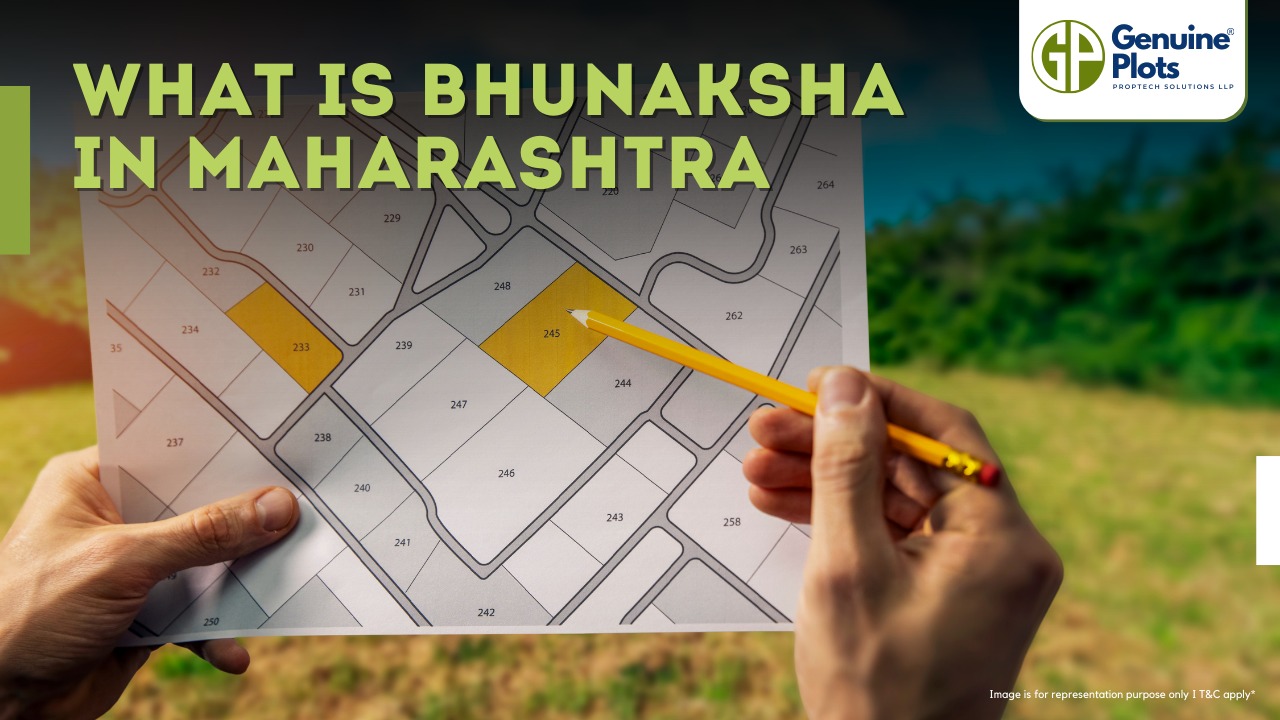
Bhunaksha is a special computer software created by NIC (National Informatics Centre) that helps manage digitized cadastral maps. But what does all that mean?
How to Login Bhunaksha?
Benefits of Maharashtra Bhunaksha
The state coordinator for Bhunaksha Maharashtra can be reached at
Datar SP
TD, NIC, Office of SC & DLR, Pune
No, Bhunaksha is not limited to Maharashtra alone. It is a software solution developed by NIC and can be implemented in various states across India.
Yes, Bhunaksha is accessible from any device with internet connectivity, including computers, laptops, tablets, and smartphones.
Yes, Bhunaksha is an open-source application, which means it is available for use, modification, and sharing at no cost.
While Bhunaksha is primarily designed for government use and land administration purposes, some states may allow limited access to private individuals for specific tasks.
The accuracy of cadastral maps in Bhunaksha is generally high. However, it is essential to cross-verify with official records and conduct surveys for critical transactions or land development projects.
Bhunaksha maps are regularly updated to reflect land ownership and boundary changes. However, users should verify the latest information with relevant authorities.
Is There an Official Mobile App for Bhunaksha Maharashtra?
Currently, there is no official mobile application provided by the Maharashtra government for searching your Bhunaksha document. The only source for accessing Bhunaksha Maharashtra is the official web application provided by the National Informatics Centre (NIC).

Investing in agricultural land in Maharashtra can be a lucrative venture, but it also involves certain complexities and legal considerations. You must be well-informed and diligent to ensure a successful purchase and minimize potential issues. This article will explore six critical factors you should thoroughly assess before buying agricultural land in Maharashtra.
Understanding the Risk of Disputed Land
Purchasing disputed land can lead to lengthy legal battles and financial losses. Before finalizing any deal, conduct a thorough title search and consult legal experts to ensure the land is free from disputes or litigation. Protect yourself from potential headaches by choosing land with a clear and undisputed ownership history.
Know the Different Laws for Buying Agricultural Land in India
India has diverse regulations regarding the purchase of agricultural land, with specific nuances varying from state to state. In Maharashtra and Karnataka, only registered farmers are allowed to buy agricultural land. Non-compliance with this rule can result in severe consequences, including forfeiture of the land. Familiarize yourself with the local laws and eligibility criteria to make a well-informed decision.
Verify the Land's Marketable Title
When buying agricultural land, remember that you are not purchasing it for residential purposes. Marketable title ensures the seller has undisputed ownership rights and can legally transfer the property.
Understand the Conversion Process for Residential Use
If you plan to use agricultural land for residential purposes, be prepared for additional procedures. The conversion process involves obtaining relevant permissions and adhering to specific guidelines set by local authorities. Present a well-structured proposal and state your reasons for the change to expedite the process.
Obtain NOC from the Township to Avoid Legal Trouble
Before making any changes or utilizing agricultural land for different purposes, you must obtain a No Objection Certificate (NOC) from the township. This certificate ensures that your plans are in accordance with local zoning regulations and that the authorities have no objections to your intended use of the land.
Use Agricultural Property for Agricultural Purposes to avoid legal hassles
The process of converting agricultural land can be time-consuming and filled with bureaucratic hurdles. Verify the seller's credibility and the land's records to minimize potential risks and ensure a smooth transition.
No, Maharashtra's laws stipulate that only registered farmers can purchase agricultural land for agricultural purposes. Using the land for non-agricultural purposes can lead to serious consequences, including losing the land.
To verify the marketable title, engage the services of a title agency or a legal expert who can conduct a thorough title search. Additionally, consider obtaining title insurance for added protection.
Obtaining a NOC is crucial as it confirms that your proposed land use complies with local zoning regulations and has no objections from the authorities.
Yes, converting agricultural land to residential use in Maharashtra is possible, but the process involves obtaining the necessary permissions and presenting a compelling proposal.
Buying disputed land can lead to prolonged legal battles and financial losses.
Using agricultural land for its original purpose reduces complexities and unwanted risks associated with the conversion process. Verifying the seller's credentials and the land records is advisable to ensure a smooth transaction.
Purchasing agricultural land in Maharashtra can be rewarding, but it requires careful consideration and adherence to legal regulations. You can secure a successful acquisition by avoiding disputed land, understanding state laws, verifying marketable titles, and complying with the conversion process. Remember to obtain NOCs when necessary and use the land for its intended purpose to reduce potential hassles. By partnering with Genuine Plots, you can avoid the pitfalls of buying disputed land, navigate state laws' complexities, and confidently verify marketable titles
Zoning laws are regulations established by local municipal governments or other authorities at the local level. These laws govern the allocation and utilisation of land as well as the construction of buildings within a specific area.
Through the process of zoning, authorities delineate various zones where distinct patterns of land use are prescribed and enforced.
Why Zoning law?
Zoning laws are found in many places around the world. They are rules that aim to control how land is used in different neighbourhoods. For example, these laws might prevent a store or business from opening up in a residential area. In some areas, zoning laws also set limits on how tall buildings can be by specifying the maximum amount of space they can occupy on a certain plot of land.
Zoning laws can also determine things like the number of open green spaces, how many buildings can be in an area, what kinds of activities can happen, and the types of businesses allowed in a specific region.
The role of zoning laws in land use and market efficiency
Zoning laws can also limit the number and type of pets that people can have. For example, in a city neighbourhood, there might be rules against keeping cows or buffaloes as pets, but in a rural area, these rules might not apply.
In other words, if we allow the market to decide, buildings like tall apartment complexes would be constructed in areas where there is a high demand for housing, and factories would be built in places where it's most economically sensible to have them. The argument is that this approach leads to more efficient land use patterns.
Challenges of zoning laws
Zoning laws in India sometimes hinder efficient land use practices. The allowed height of buildings is often kept low, even in the busiest cities.
Moreover, these restrictions are sometimes not strictly enforced. In developed countries, developers are typically required to provide the necessary public facilities when constructing tall buildings.
However, this is not always the case in major Indian cities. For example, developers may neglect to include sufficient parking spaces in their projects.
Conclusion
Understanding zoning laws is crucial for navigating land use regulations in India. While these laws aim to control and organise development, challenges such as building height restrictions and enforcement issues need to be addressed to ensure efficient land use and the provision of essential amenities in urban areas.
Developing a balanced approach that considers market dynamics and public welfare is key to achieving optimal land use patterns and sustainable urban development.
The 7/12 extract is an important document providing detailed information about a specific land in Maharashtra, India.
It includes essential details such as the survey number, area, and the current owner's name. This extract is actually a combination of two forms: Form 7 and Form 12. Form 7 contains information about the landowner and their rights. It covers details such as the owner's name and any rights or claims they may have on the land. On the other hand, Form 12 provides specific information about the type of land and its designated usage.
This helps determine if the land is meant for residential, commercial, agricultural, or other specific purposes.
Saat- Baara- Utara
In Maharashtra, the regional term for the 7/12 extract document is "Saat-Baara-Utara." It is maintained by the revenue department of the state for the purpose of tax collection. The document is usually issued by the Tehsildar or the relevant land authority.
If someone wishes to obtain a copy of the 7/12 extract, they can pay the official fee. Alternatively, they can file a petition under the Right to Information Act to request a copy of the document.
Importance of 7/12 Extract Document
The 7/12 Extract Document serves various important purposes related to land ownership and transactions in Maharashtra:
To obtain the 7/12 Utara online in Maharashtra, follow these steps:
Step 1- Visit the bhulekh.mahabhumi.gov.in
Step 2 -Select the relevant section from the homepage based on your location, such as Amravati, Aurangabad, Konkan, Nagpur, Nashik, or Pune. Once you have chosen the appropriate section, click on the "Go" button.
Step 3-After accessing the specific section on the MahaBhulekh website, navigate to the 7/12 option. From there, you must select the district, taluka, and village corresponding to the land you are interested in.
Step 4- To search for the 7/12 extract, use the Survey Number, First Name, Middle Name, Last Name, or Full Name, and fill in the corresponding details. Required details will be displayed like this