Prev Post
No previous post available
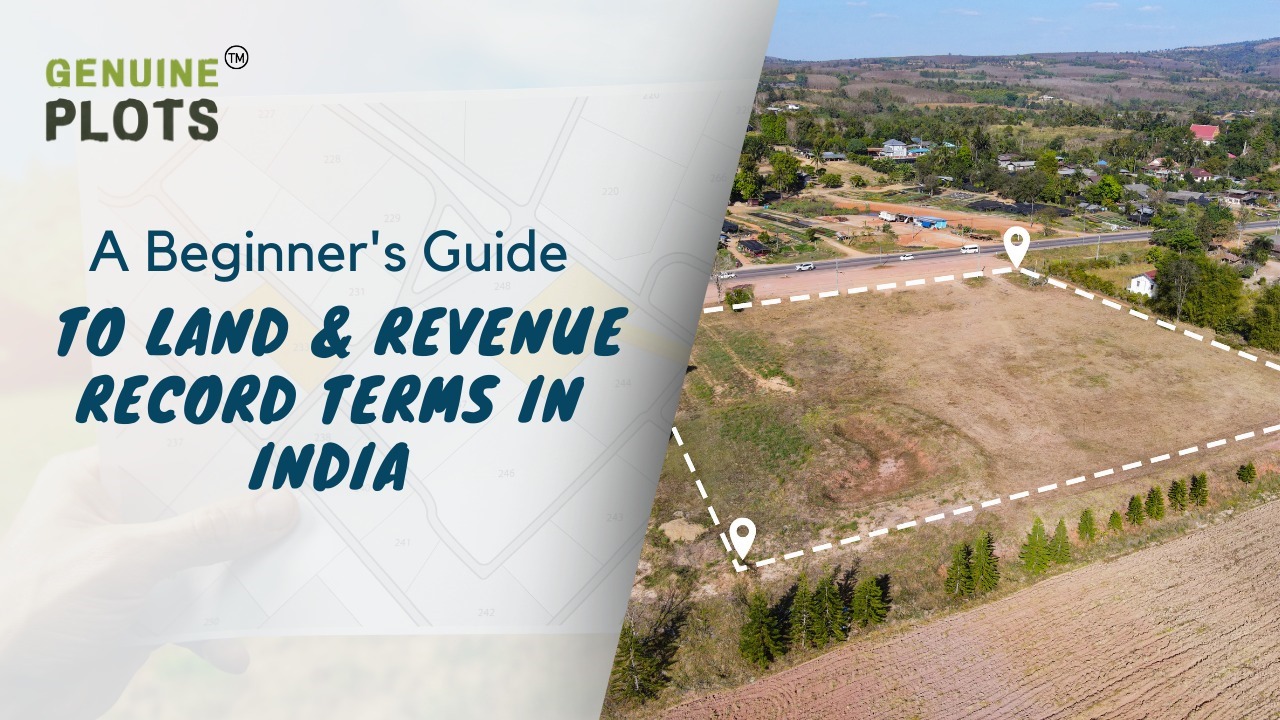
Land transactions can be a labyrinth of confusing terms, especially when checking records online. In this simplified guide, Genuine Plots unravels key terms, empowering you to make informed decisions and ensuring smooth navigation through the world of land transactions. Let's embark on this journey together, where understanding land records becomes as easy as a walk in the park.
Jamabandi
Nakal
Khata
Khasra or DAG Number
Khewat
Mauza
Bainama
Khatauni
Patta
Khudkasht
Embarking on a land transaction journey can be daunting, but armed with these simplified explanations, you'll be better equipped to decode the complexities of land records.
Prev Post
No previous post available

Godrej Properties has set a remarkable benchmark in North India’s real estate market with the launch of Evora Estate, its first plotted development in Panipat, Haryana. The project has achieved record-breaking sales exceeding ₹1,000 crore, making it one of the most successful plotted development launches in the company’s history.
This milestone signals a strong demand surge for premium plotted communities in emerging real estate corridors and highlights Godrej Properties’ growing influence in North India.
Historic Launch for Godrej Properties
Launched in December 2025, Evora Estate has received an overwhelming response from buyers, with more than 600 plots already sold. The project covers an area of about 43 acres and has almost 8 lakh sq. ft. of saleable area in well-designed residential plots.
This performance is a testament to the growing demand for luxury plotted living, where buyers have the flexibility to design their living spaces as per the planned layout.
Why Evora Estate Received Massive Demand
Several outstanding factors have contributed to the project’s remarkable sales performance:
Evora Estate is situated in Sector 40, Panipat, with easy connectivity to NH-44A. The location provides outstanding connectivity to prominent urban and industrial centers, making it a sought-after destination for both homebuyers and investors.
The project is spread over lush and well-designed landscapes, combining modern infrastructure with a Mediterranean design theme. It is conceptualized as a luxury plotted township with:
Internal roads of wide dimensions
Green open spaces
Lifestyle amenities
Gated community security
Vastu-friendly plot orientation
This amalgamation satisfies the demand for luxury, self-designed living spaces.
Panipat: A Rising Real Estate Hotspot
Panipat’s rapid development in infrastructure, industrial expansion, and increasing urbanisation has positioned it as a fast-emerging real estate hub.
Key growth drivers include:
Strategic location between Delhi and Chandigarh
Boost in industrial and logistics activity
Improved regional connectivity
Rising demand for organized residential developments
This environment has created a favourable setting for large-scale plotted developments like Evora Estate.
Company’s Growing Focus on Plotted Developments
Evora Estate marks Godrej Properties’ first project in Panipat and adds to its portfolio of successful plotted communities across North India. Plotted townships have become a key growth segment, driven by:
Rising interest in land ownership
Flexibility in home design and construction
Higher appreciation potential
The record-breaking performance in Panipat reinforces the company’s strategy to expand in high-demand markets.
What This Means for Investors
With Panipat transforming into a future-ready residential and industrial hub, the success of Evora Estate signals strong investor confidence. Plotted developments in well-connected locations offer:
Strong long-term capital appreciation
High rental and commercial potential in the future
Better liquidity due to branded development
Given the response, similar upcoming projects in the region are likely to witness strong traction.
Conclusion
The achievement of Evora Estate is more than a sales milestone – it is a testament to the ever-unfolding change in the real estate demands of North India. Godrej Properties’ foray into Panipat not only marks a significant shift in the residential sector of Panipat but also marks the beginning of a new era of large-scale plotted developments in emerging markets.
With the demand for premium, flexible, and modern living spaces on the rise, Evora Estate and other such developments are set to play a pivotal role in defining the next era of urbanization in North India.

Pune’s real estate landscape has grown rapidly over the past decade. Expanding IT hubs, growing infrastructure, and rising demand for second homes have made the city a magnet for investors. But alongside this growth, Pune has also witnessed an alarming increase in land-related fraud. These scams have become sophisticated, well-planned, and often involve networks of agents, document forgers, and impersonators.
Areas such as Mulshi, Wagholi, Baner, Tathawade, and Mohammadwadi have seen some of the biggest fraud cases in recent years. Understanding how these scams work is essential for anyone planning to invest in land around Pune.
One of the most common forms of land fraud in Pune involves forged ownership records. Fraudsters prepare fake 7/12 extracts, falsified sale deeds, or bogus power of attorney papers. In many cases, they impersonate real landowners at registration offices using forged identity documents.
How This Scam Works
Scammers identify valuable land belonging to someone who lives outside Pune or abroad.
They recreate the owner’s documents using high-quality forgeries.
They use fake Aadhaar/PAN cards to pose as the owner.
The land is sold to an unsuspecting buyer at a seemingly legitimate rate.
These scams often go unnoticed until the real owner or vigilant neighbors discover that a fraudulent sale has taken place.
Many plots in Pune are legally restricted — including government land, grazing land (gairan), forest-affected land, and land reserved for public projects. Fraudsters take advantage of complex land records and outdated documents to present such land as privately owned.
Typical Pattern
Scammers obtain older records where ownership details are unclear.
They manipulate or recreate entries to show private ownership.
They then sell the land cheaply, claiming fast appreciation.
Buyers later discover that the land cannot be transferred, developed, or registered, resulting in total financial loss.
The rise of social media advertising has made it easy for fraudsters to attract buyers with glossy reels and unrealistically low prices. This trend is especially common in scenic areas like Mulshi and Velhe.
Typical Tactics
Extremely low per-guntha pricing to create urgency.
Attractive photos and drone shots of entirely different plots.
Charging booking amounts or “site visit fees” in advance.
Showing land that is either disputed, inaccessible, or not legally saleable.
Many buyers fall into the trap because of fear of missing out and attractive payment plans.
Several scamsters present large plotting layouts as “pre-launch opportunities” with promises of steep returns. These projects often lack basic approvals such as NA conversion, layout sanction, and RERA registration.
Red Flags
Heavy discounts for early bookings.
No RERA number displayed or ambiguity about approvals.
Vague timelines and incomplete paperwork.
Pressure to pay immediately to avail “pre-launch pricing.”
Such projects frequently stall, never begin, or get tangled in legal disputes.
This is a classic and still widespread scam in Pune. Fraudsters show the same plot to multiple buyers, take partial payments from all of them, and then disappear.
How This Scam Plays Out
A genuine-looking plot is shown.
Documents appear legit, often forged.
Booking amounts or part payments are collected from several buyers.
The scammer vanishes or the plot is later found to be disputed.
Victims often discover each other only when they try to register the property.
Buyers looking for second homes or investment in green zones often get misled by promises of immediate NA (non-agriculture) conversion.
The Trap
Agricultural land is sold with the claim that NA conversion is “already applied for.”
Buyers are told they can start construction immediately.
Months or years later, buyers realise that NA conversion was never processed.
The land remains agricultural and cannot be used for the promised purpose.
This scam exploits the lack of understanding of Maharashtra land laws.
Why Pune Is Especially Vulnerable to Plot Scams
Several factors contribute to Pune’s high rate of land fraud:
High demand from IT professionals, NRIs, and investors.
Large areas of fragmented ownership make verification harder.
Complex revenue records and outdated documents.
Rapid expansion of city outskirts, where monitoring is weak.
Dependence on brokers, many of whom operate without regulation.
These conditions create the perfect environment for scammers to operate.
How Buyers Can Protect Themselves
Buying land requires more checks than buying a flat. Here are the essential safeguards every buyer in Pune should follow:
The extract must match:
The seller’s name
Survey number
Land area
Type of land
Existing liabilities or reservations
Obtain it from the official revenue office or government portal.
For plotting layouts:
Verify NA order
Layout sanction
RERA registration
Road access and DP reservations
A legally clean plot will always have complete documentation.
Visit the land with:
A local surveyor
A lawyer (if possible)
Boundary measurement tools
Confirm that the land shown matches the documents.
If the price seems too low for the location, it is likely that there is a problem. This is because scammers will often use low prices to lure people into buying plots that are priced well below market rate.
Make all payments through:
Cheques
Bank transfers
RTGS/NEFT
Do not pay in cash.
If you feel that something is not right:
Cancel the transaction
Consult a lawyer
Report the incident to the authorities
This will help you avoid losing more money.
Conclusion
The Pune real estate market is still a rapidly growing market, but buyers need to be very cautious. The plot scam today is a very complex and layered scam that involves fake documents and unethical networks. The only way to stay safe is to be aware and have all transactions checked by a lawyer.
Pune’s real estate landscape has grown rapidly over the past decade. Expanding IT hubs, growing infrastructure, and rising demand for second homes have made the city a magnet for investors. But alongside this growth, Pune has also witnessed an alarming increase in land-related fraud. These scams have become sophisticated, well-planned, and often involve networks of agents, document forgers, and impersonators.
Areas such as Mulshi, Wagholi, Baner, Tathawade, and Mohammadwadi have seen some of the biggest fraud cases in recent years. Understanding how these scams work is essential for anyone planning to invest in land around Pune.
One of the most common forms of land fraud in Pune involves forged ownership records. Fraudsters prepare fake 7/12 extracts, falsified sale deeds, or bogus power of attorney papers. In many cases, they impersonate real landowners at registration offices using forged identity documents.
How This Scam Works
Scammers identify valuable land belonging to someone who lives outside Pune or abroad.
They recreate the owner’s documents using high-quality forgeries.
They use fake Aadhaar/PAN cards to pose as the owner.
The land is sold to an unsuspecting buyer at a seemingly legitimate rate.
These scams often go unnoticed until the real owner or vigilant neighbors discover that a fraudulent sale has taken place.
Many plots in Pune are legally restricted — including government land, grazing land (gairan), forest-affected land, and land reserved for public projects. Fraudsters take advantage of complex land records and outdated documents to present such land as privately owned.
Typical Pattern
Scammers obtain older records where ownership details are unclear.
They manipulate or recreate entries to show private ownership.
They then sell the land cheaply, claiming fast appreciation.
Buyers later discover that the land cannot be transferred, developed, or registered, resulting in total financial loss.
The rise of social media advertising has made it easy for fraudsters to attract buyers with glossy reels and unrealistically low prices. This trend is especially common in scenic areas like Mulshi and Velhe.
Typical Tactics
Extremely low per-guntha pricing to create urgency.
Attractive photos and drone shots of entirely different plots.
Charging booking amounts or “site visit fees” in advance.
Showing land that is either disputed, inaccessible, or not legally saleable.
Many buyers fall into the trap because of fear of missing out and attractive payment plans.
Several scamsters present large plotting layouts as “pre-launch opportunities” with promises of steep returns. These projects often lack basic approvals such as NA conversion, layout sanction, and RERA registration.
Red Flags
Heavy discounts for early bookings.
No RERA number displayed or ambiguity about approvals.
Vague timelines and incomplete paperwork.
Pressure to pay immediately to avail “pre-launch pricing.”
Such projects frequently stall, never begin, or get tangled in legal disputes.
This is a classic and still widespread scam in Pune. Fraudsters show the same plot to multiple buyers, take partial payments from all of them, and then disappear.
How This Scam Plays Out
A genuine-looking plot is shown.
Documents appear legit, often forged.
Booking amounts or part payments are collected from several buyers.
The scammer vanishes or the plot is later found to be disputed.
Victims often discover each other only when they try to register the property.
Buyers looking for second homes or investment in green zones often get misled by promises of immediate NA (non-agriculture) conversion.
The Trap
Agricultural land is sold with the claim that NA conversion is “already applied for.”
Buyers are told they can start construction immediately.
Months or years later, buyers realise that NA conversion was never processed.
The land remains agricultural and cannot be used for the promised purpose.
This scam exploits the lack of understanding of Maharashtra land laws.
Why Pune Is Especially Vulnerable to Plot Scams
Several factors contribute to Pune’s high rate of land fraud:
High demand from IT professionals, NRIs, and investors.
Large areas of fragmented ownership make verification harder.
Complex revenue records and outdated documents.
Rapid expansion of city outskirts, where monitoring is weak.
Dependence on brokers, many of whom operate without regulation.
These conditions create the perfect environment for scammers to operate.
How Buyers Can Protect Themselves
Buying land requires more checks than buying a flat. Here are the essential safeguards every buyer in Pune should follow:
The extract must match:
The seller’s name
Survey number
Land area
Type of land
Existing liabilities or reservations
Obtain it from the official revenue office or government portal.
For plotting layouts:
Verify NA order
Layout sanction
RERA registration
Road access and DP reservations
A legally clean plot will always have complete documentation.
Visit the land with:
A local surveyor
A lawyer (if possible)
Boundary measurement tools
Confirm that the land shown matches the documents.
If the price seems too low for the location, it is likely that there is a problem. This is because scammers will often use low prices to lure people into buying plots that are priced well below market rate.
Make all payments through:
Cheques
Bank transfers
RTGS/NEFT
Do not pay in cash.
If you feel that something is not right:
Cancel the transaction
Consult a lawyer
Report the incident to the authorities
This will help you avoid losing more money.
Conclusion
The Pune real estate market is still a rapidly growing market, but buyers need to be very cautious. The plot scam today is a very complex and layered scam that involves fake documents and unethical networks. The only way to stay safe is to be aware and have all transactions checked by a lawyer.
Pune’s real estate landscape has grown rapidly over the past decade. Expanding IT hubs, growing infrastructure, and rising demand for second homes have made the city a magnet for investors. But alongside this growth, Pune has also witnessed an alarming increase in land-related fraud. These scams have become sophisticated, well-planned, and often involve networks of agents, document forgers, and impersonators.
Areas such as Mulshi, Wagholi, Baner, Tathawade, and Mohammadwadi have seen some of the biggest fraud cases in recent years. Understanding how these scams work is essential for anyone planning to invest in land around Pune.
One of the most common forms of land fraud in Pune involves forged ownership records. Fraudsters prepare fake 7/12 extracts, falsified sale deeds, or bogus power of attorney papers. In many cases, they impersonate real landowners at registration offices using forged identity documents.
How This Scam Works
Scammers identify valuable land belonging to someone who lives outside Pune or abroad.
They recreate the owner’s documents using high-quality forgeries.
They use fake Aadhaar/PAN cards to pose as the owner.
The land is sold to an unsuspecting buyer at a seemingly legitimate rate.
These scams often go unnoticed until the real owner or vigilant neighbors discover that a fraudulent sale has taken place.
Many plots in Pune are legally restricted — including government land, grazing land (gairan), forest-affected land, and land reserved for public projects. Fraudsters take advantage of complex land records and outdated documents to present such land as privately owned.
Typical Pattern
Scammers obtain older records where ownership details are unclear.
They manipulate or recreate entries to show private ownership.
They then sell the land cheaply, claiming fast appreciation.
Buyers later discover that the land cannot be transferred, developed, or registered, resulting in total financial loss.
The rise of social media advertising has made it easy for fraudsters to attract buyers with glossy reels and unrealistically low prices. This trend is especially common in scenic areas like Mulshi and Velhe.
Typical Tactics
Extremely low per-guntha pricing to create urgency.
Attractive photos and drone shots of entirely different plots.
Charging booking amounts or “site visit fees” in advance.
Showing land that is either disputed, inaccessible, or not legally saleable.
Many buyers fall into the trap because of fear of missing out and attractive payment plans.
Several scamsters present large plotting layouts as “pre-launch opportunities” with promises of steep returns. These projects often lack basic approvals such as NA conversion, layout sanction, and RERA registration.
Red Flags
Heavy discounts for early bookings.
No RERA number displayed or ambiguity about approvals.
Vague timelines and incomplete paperwork.
Pressure to pay immediately to avail “pre-launch pricing.”
Such projects frequently stall, never begin, or get tangled in legal disputes.
This is a classic and still widespread scam in Pune. Fraudsters show the same plot to multiple buyers, take partial payments from all of them, and then disappear.
How This Scam Plays Out
A genuine-looking plot is shown.
Documents appear legit, often forged.
Booking amounts or part payments are collected from several buyers.
The scammer vanishes or the plot is later found to be disputed.
Victims often discover each other only when they try to register the property.
Buyers looking for second homes or investment in green zones often get misled by promises of immediate NA (non-agriculture) conversion.
The Trap
Agricultural land is sold with the claim that NA conversion is “already applied for.”
Buyers are told they can start construction immediately.
Months or years later, buyers realise that NA conversion was never processed.
The land remains agricultural and cannot be used for the promised purpose.
This scam exploits the lack of understanding of Maharashtra land laws.
Why Pune Is Especially Vulnerable to Plot Scams
Several factors contribute to Pune’s high rate of land fraud:
High demand from IT professionals, NRIs, and investors.
Large areas of fragmented ownership make verification harder.
Complex revenue records and outdated documents.
Rapid expansion of city outskirts, where monitoring is weak.
Dependence on brokers, many of whom operate without regulation.
These conditions create the perfect environment for scammers to operate.
How Buyers Can Protect Themselves
Buying land requires more checks than buying a flat. Here are the essential safeguards every buyer in Pune should follow:
The extract must match:
The seller’s name
Survey number
Land area
Type of land
Existing liabilities or reservations
Obtain it from the official revenue office or government portal.
For plotting layouts:
Verify NA order
Layout sanction
RERA registration
Road access and DP reservations
A legally clean plot will always have complete documentation.
Visit the land with:
A local surveyor
A lawyer (if possible)
Boundary measurement tools
Confirm that the land shown matches the documents.
If the price seems too low for the location, it is likely that there is a problem. This is because scammers will often use low prices to lure people into buying plots that are priced well below market rate.
Make all payments through:
Cheques
Bank transfers
RTGS/NEFT
Do not pay in cash.
If you feel that something is not right:
Cancel the transaction
Consult a lawyer
Report the incident to the authorities
This will help you avoid losing more money.
Conclusion
The Pune real estate market is still a rapidly growing market, but buyers need to be very cautious. The plot scam today is a very complex and layered scam that involves fake documents and unethical networks. The only way to stay safe is to be aware and have all transactions checked by a lawyer.

Pune is a hot favourite among the NRIs due to its climate as well as connectivity.
NRIs can purchase converted farmhouse plots but cannot buy agricultural land.
Popular areas: Mulshi, Velhe, outskirts of Hinjewadi, Paud Road, Talegaon,and Lonavala region.
Look for gated communities that have clear titles and demarcation of compounds.
Ensure approvals for NOC, NA Order, and Layout.
Still have doubts? You can contact Genuine Plots for safe buying.